EdTech Platform: Replacing 3 Tools
See how we built a custom EdTech platform to replace three disconnected tools with one unified learning environment.
The Bottom Line Results
Replaced separate platforms with a single hub
Feedback implemented by next morning
Unified user dashboard
Streamlined single-sign-on experience

Executive Summary
An education technology company connecting students with real-world industry projects was running its entire operation across three disconnected tools. AY Automate built a unified platform from scratch that replaced all three tools, eliminated the operational friction, and delivered what the client's Technical Director described as a 'fantastic and hassle-free' development experience.
The challenge
The client's platform was stitched together from three separate tools. Softr ran the web frontend. Circle handled community. Airtable Forms did data collection and project submissions. Each tool covered one piece. None of them talked to each other natively. Data sat in silos. The user experience changed every time someone moved between systems. The team spent serious time manually bridging the gaps. What should have been a smooth experience for students and supervisors felt clunky.
The disconnected toolset created admin overhead for everyone. Academic supervisors moved across multiple platforms to track student progress. Industry contacts dealt with fragmented submission flows. The client's team spent time on manual data transfers that should have been automatic. As the platform grew, the operational friction became the bottleneck. Not the idea, not the demand, the tools.
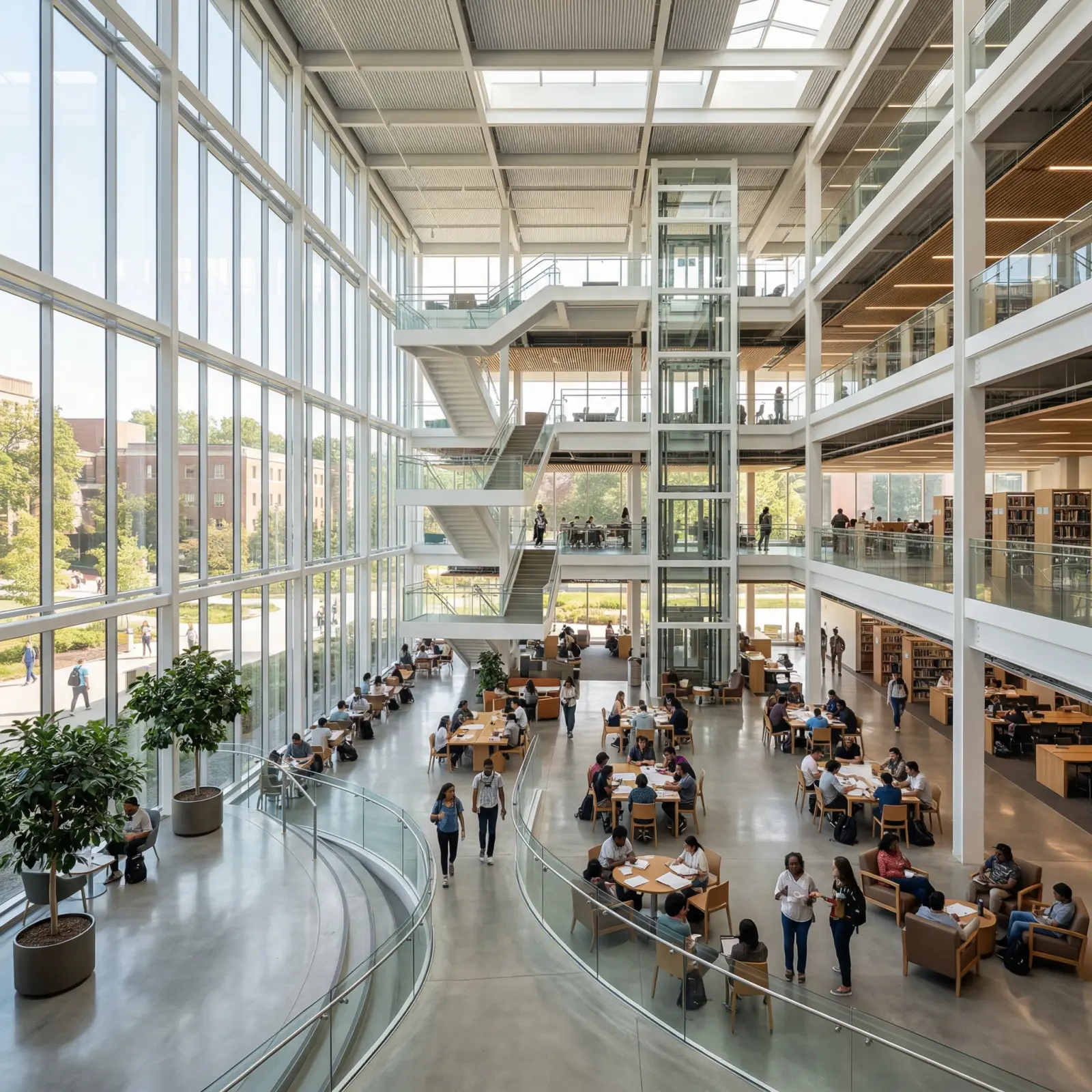
Softr, Circle, and Airtable are good no-code tools to start with, but the client had outgrown them. Serving three distinct user groups with three different workflows was not possible inside no-code platform limits. They needed a purpose-built platform. They did not have the engineering capacity to build one alone.
What we built
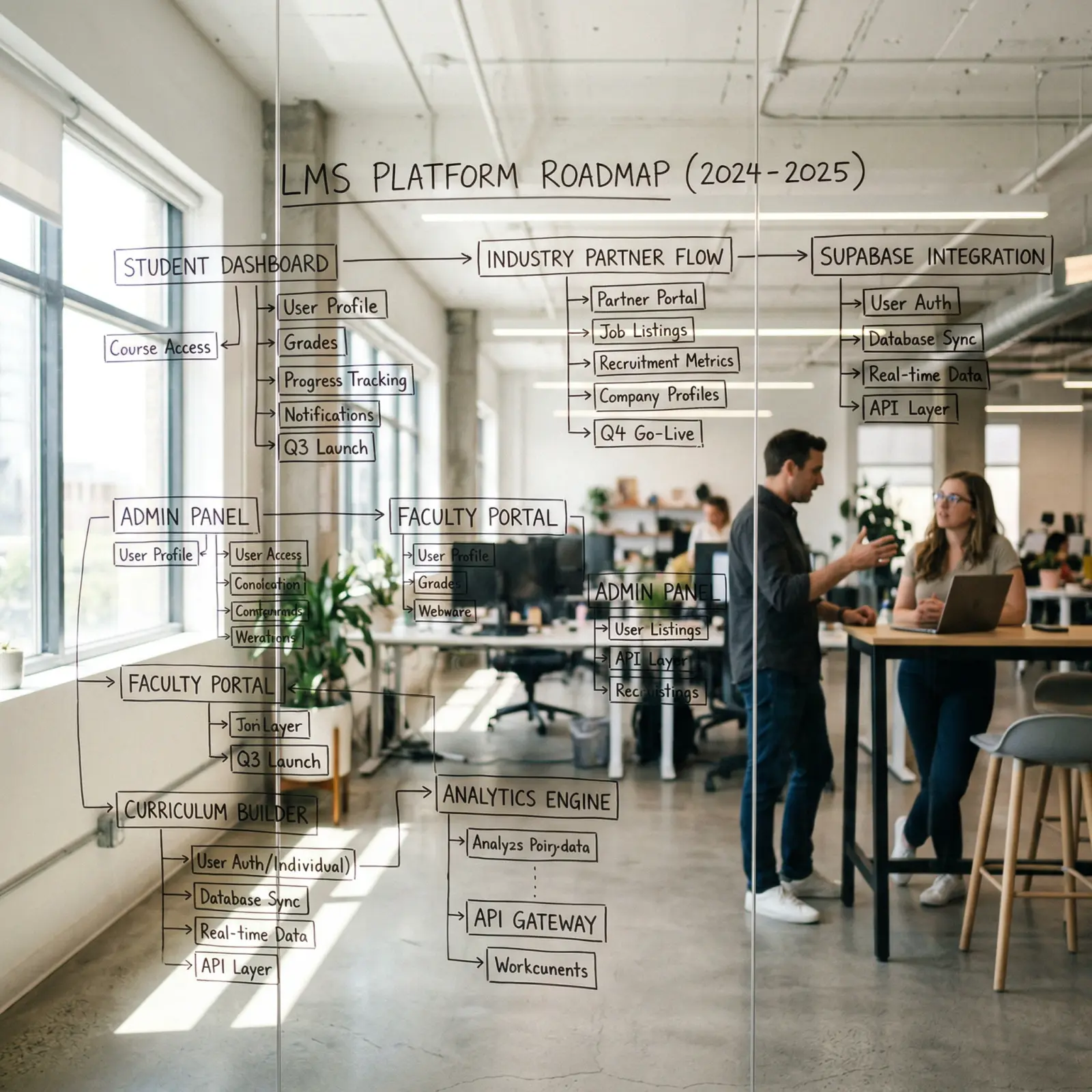
AY Automate built a new platform that replaced all three tools with one cohesive system. The platform runs the full workflow: industry partners submit project briefs, students discover and apply, academic supervisors track progress, and the client's team manages everything from one dashboard. No more switching between Softr, Circle, and Airtable. Every user group has a tailored experience inside one product.
The build itself is a traditional web application, but AY Automate used AI through the development workflow to accelerate delivery. AI-assisted coding, automated test runs, and intelligent tooling let the team move faster than a conventional build. The result is a production-quality platform on a compressed timeline without trading off code quality or reliability.
Daily check-ins
The project ran on daily end-of-day reviews. The client saw exactly what was built each day, gave feedback, and saw it implemented by the next morning. The transparent loop removed the uncertainty that often comes with custom development. The client's Technical Director described it as being able to "literally just come in, watch the end of the day review, give a couple of points of feedback, and then it would be fixed or implemented the next day."
Embedded engineer with full autonomy
AY Automate placed a dedicated engineer inside the client's workflow. The engineer took the requirements, built independently, and delivered daily progress. No constant direction needed. The client praised the ownership the engineer brought. The embedded approach gave them senior development capacity without the overhead of managing a full hire. The daily review cadence kept everyone aligned without micromanagement.
The stack
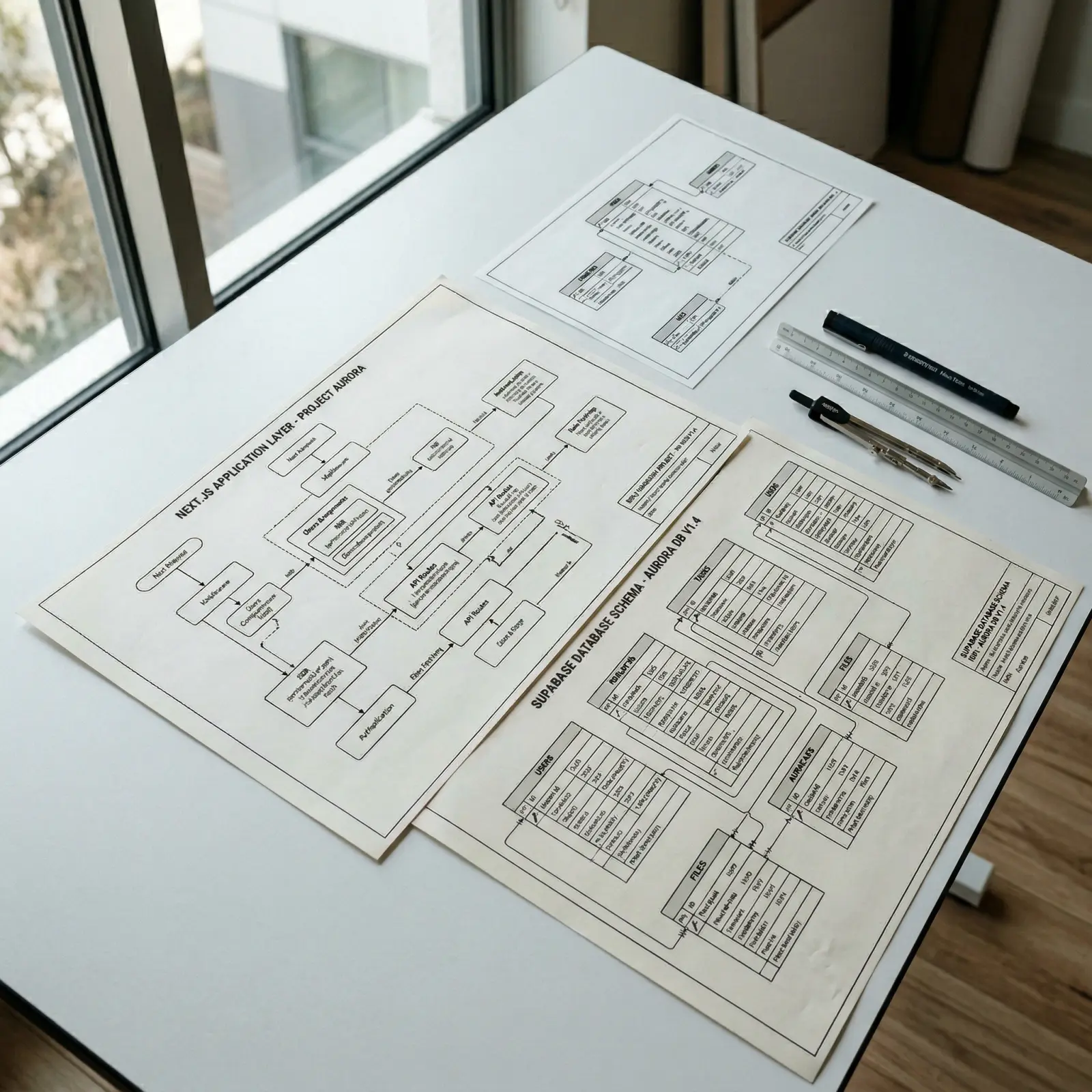
Next.js, Supabase.
Next.js runs the frontend and application layer, with fast page loads and a responsive experience across user types. Supabase handles the database, authentication, and real-time work. Together the stack replaces the Softr plus Circle plus Airtable combination with a single, maintainable codebase the client can extend as the platform grows.
Results
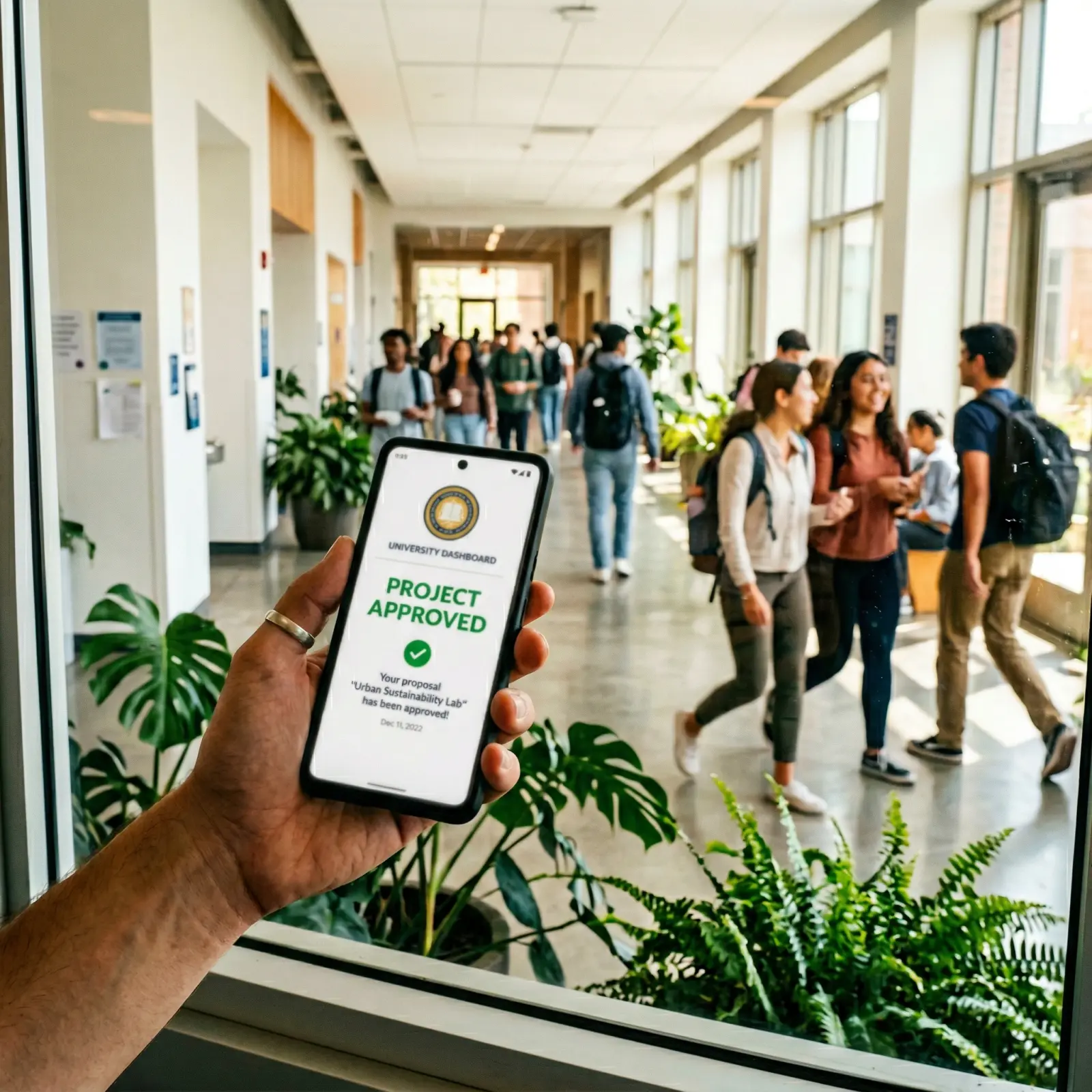
The most immediate impact: three disconnected tools consolidated into one unified platform. Softr, Circle, and Airtable Forms are no longer needed. Students, supervisors, and industry contacts now operate inside one system. The fragmented experience, manual data transfers, and admin overhead are gone. The client owns their product instead of working around no-code limits.
The client's Technical Director called the development process "fantastic," "hassle-free," and "stress-free." The daily review cadence, the engineer's autonomy, and the speed of iteration meant the client spent the minimum on managing the build and the maximum on their business. Feedback in the evening was implemented by morning. The client called that turnaround out as a real difference.
With a purpose-built platform on modern infrastructure, the client has the technical foundation to grow. New features, new university partners, new markets, all of it now depends on the client's own roadmap instead of what Softr or Circle support. The Next.js plus Supabase architecture is extensible, performant, and built to handle planned growth.
What we learned
- No-code is good for starting, custom development is what you need to scale. Softr, Circle, and Airtable got the client to a first version. The disconnected experience and customization limits made a purpose-built platform the only way forward.
- AI-accelerated development compresses timelines without giving up quality. Integrating AI into the development workflow let AY Automate ship a full platform build faster than a traditional cycle.
- Daily check-ins plus embedded engineers create a transparent, low-friction build. The client stayed informed and in control without the overhead of managing an engineering team.
- Platform consolidation removes operational friction for multi-stakeholder products. When students, supervisors, and industry contacts use one system instead of three, admin drops and the user experience improves for everyone.
- Owning your platform means owning your roadmap. Moving off no-code gives the client full control over the product's future instead of being constrained by what third-party tools support.
"The AY Automate team were fantastic and quite hassle-free. You could literally just come in, watch the end of the day review, give a couple of points of feedback, and then it would be fixed or implemented the next day. I would highly recommend them if you want a stress-free development experience."
Technical Director, EdTech Platform Company
How It Works
Unified Database Design
Replaced scattered data across Airtable and Circle with a single, relational Supabase database.
Custom Frontend Development
Built a responsive Next.js application tailored to three distinct user personas (Student, Supervisor, Partner).
Automated Workflows
Replaced manual data entry with automated triggers for project submissions and approvals.
Daily AI-Accelerated Deployment
Rapid iteration cycle with daily reviews and updates based on immediate client feedback.
The client is an education technology company that bridges the gap between academia and industry. Their core mission is connecting university students with real-world projects from industry partners.
Unify your fragmented tools today.