Book a Free Strategy Call
Skip the read: talk to Walid in 30 min.
Free strategy call. We map your AI engineering team, you keep the notes.
Updated July 2026
Best MCP Servers 2026: 11 Picks Builders Actually Use
The 11 best MCP servers in 2026: GitHub for repos and PRs, Filesystem for local files, Playwright for browser control, Supabase and Postgres MCP Pro for databases, Cloudflare for edge infra, Stripe for payments, Sentry for errors, Notion for docs, and Context7 for live library docs. Together they turn an AI coding agent from a clever autocomplete into a coworker that reads your repos, queries your database, drives a browser, and ships changes. The Model Context Protocol gives models a standard way to call external tools, so the same connector works in Claude Code, Cursor, Windsurf, and Codex without custom glue per app.
That standardization is why the ecosystem grew fast. Vendors like GitHub, Microsoft, Supabase, Stripe, Cloudflare, Notion, and Sentry now ship official servers, and a few independent projects became defaults because they solve a real daily problem.
This guide covers 11 servers builders actually install in 2026. For each one you get what it does, the best use case, and a screenshot, followed by a comparison table and a short framework for choosing your own stack.
TL;DR
- GitHub MCP is the default for any team that lives in pull requests, issues, and Actions.
- Filesystem MCP and Playwright MCP cover local files and real browser automation, the two things agents need most outside the cloud.
- Supabase MCP and Postgres MCP Pro handle databases, with Postgres MCP Pro adding index tuning and health checks.
- Cloudflare MCP, Stripe MCP, and Sentry MCP are vendor servers that connect agents to edge infra, payments, and error data.
- Notion MCP gives agents read and write access to docs and wikis, and Context7 injects current library documentation so agents stop guessing at APIs.
- Start with Filesystem, GitHub, and one database server, then add the rest as your stack demands.
What is an MCP server?
An MCP server is a small program that exposes tools, resources, and prompts to an AI model through the Model Context Protocol, an open standard introduced by Anthropic. The model acts as the client. When it needs to read a file, run a query, or open a web page, it calls a tool the server advertises, gets structured data back, and continues reasoning.
The value is portability. Write or install a server once, and every MCP-aware client can use it. Servers run two ways: self-hosted (local stdio process you launch on your machine) or hosted (a remote URL the vendor runs, usually with OAuth). Hosted servers cut setup; self-hosted servers keep data on your hardware.
Free weekly brief
Steal our production automations
The exact n8n flows, Claude Code setups, and prompts we ship for clients, broken down step by step. No spam, unsubscribe anytime.
How we picked
We focused on servers that are real, maintained, and widely used in production workflows rather than demo repos. Selection criteria:
- Official or de facto standard. Vendor-maintained servers or independent projects that became defaults.
- Active maintenance. Recent releases and visible issue activity in 2026.
- Daily utility. Solves a problem builders hit constantly: code, files, browsers, databases, infra, payments, errors, docs.
- Distinct role. Each server earns its slot by covering ground the others do not.
1. GitHub MCP
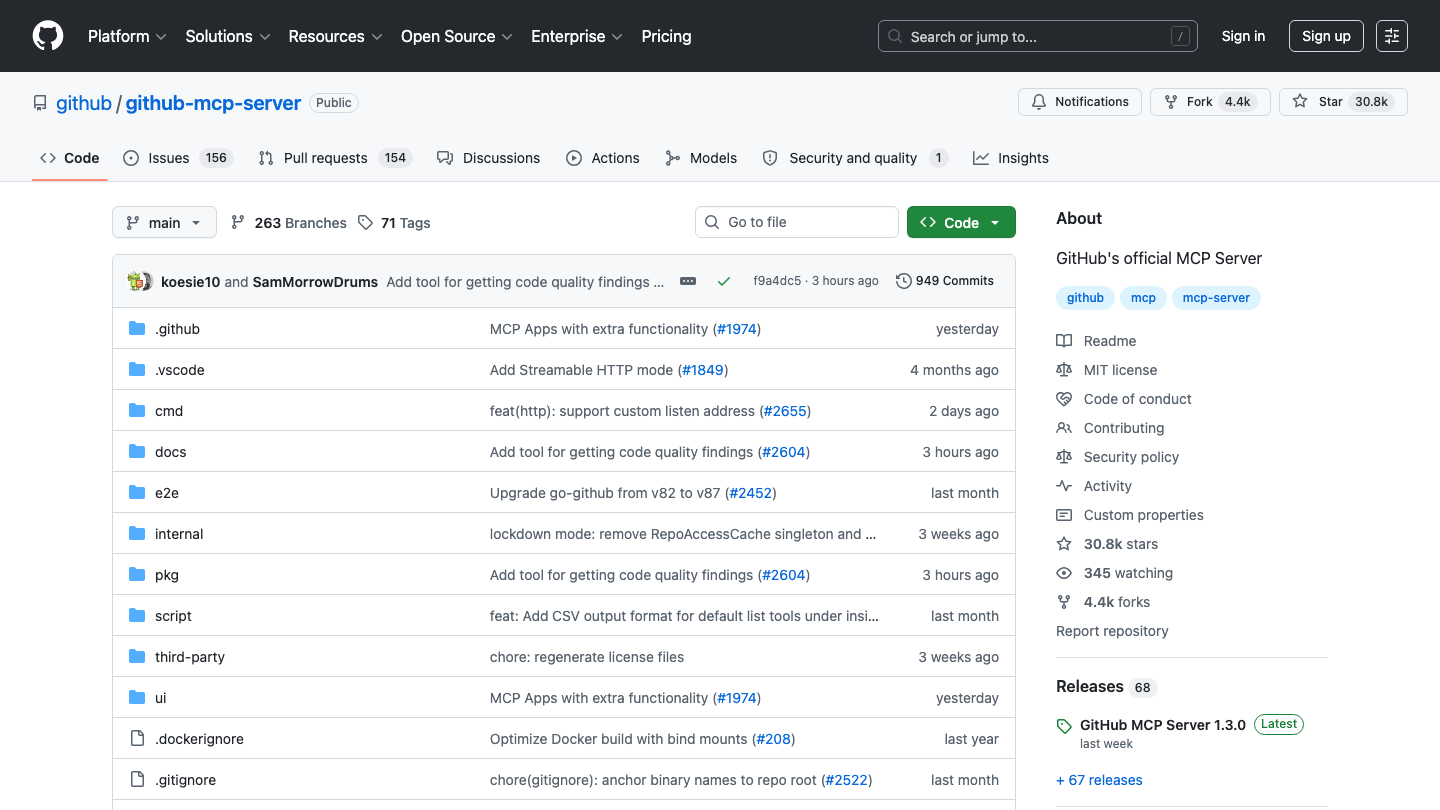
GitHub MCP is GitHub's official server, and it is the one most teams install first. It connects an agent directly to repositories, issues, pull requests, and GitHub Actions, so the model can browse code, open a PR, comment on a review, or check why a workflow failed without you leaving the editor.
Because GitHub maintains it, the tool coverage tracks the platform closely, including security findings and Dependabot alerts. It runs as a hosted remote server with OAuth or as a local binary.
Best use case: agents that triage issues, draft pull requests, and monitor CI across one or more repositories.
2. Filesystem MCP
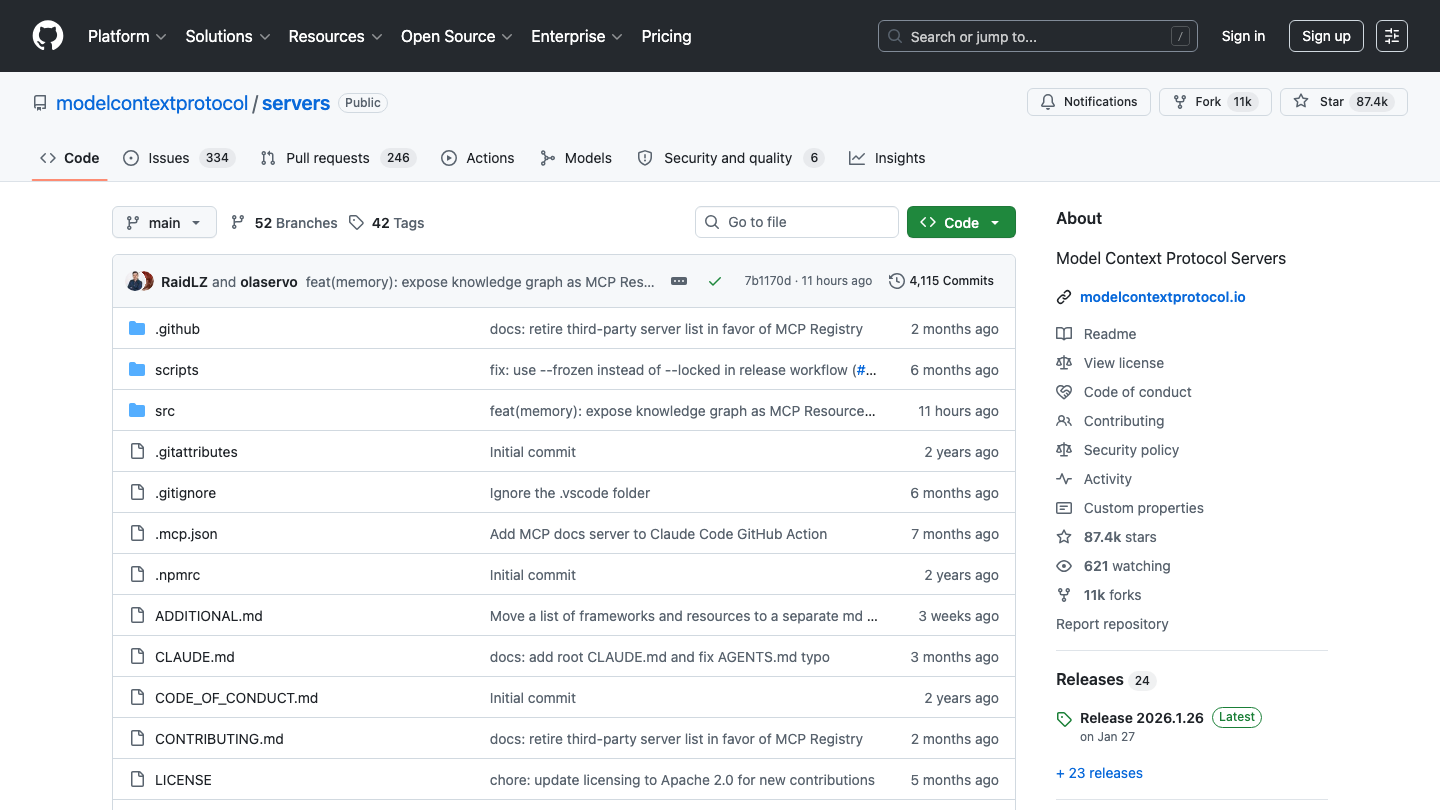
Filesystem MCP is the reference server from the Model Context Protocol project, and it does exactly what the name says: gives an agent scoped read and write access to directories you allow. It is the quiet workhorse behind most local agent work, handling file reads, edits, search, and directory traversal.
Access control is explicit. You pass allowed directories as arguments or expose them through Roots, so the agent never wanders outside the paths you grant. That scoping is why it stays a default even as fancier file servers appear.
Best use case: local development where an agent needs to read and edit project files safely within set boundaries.
3. Playwright MCP
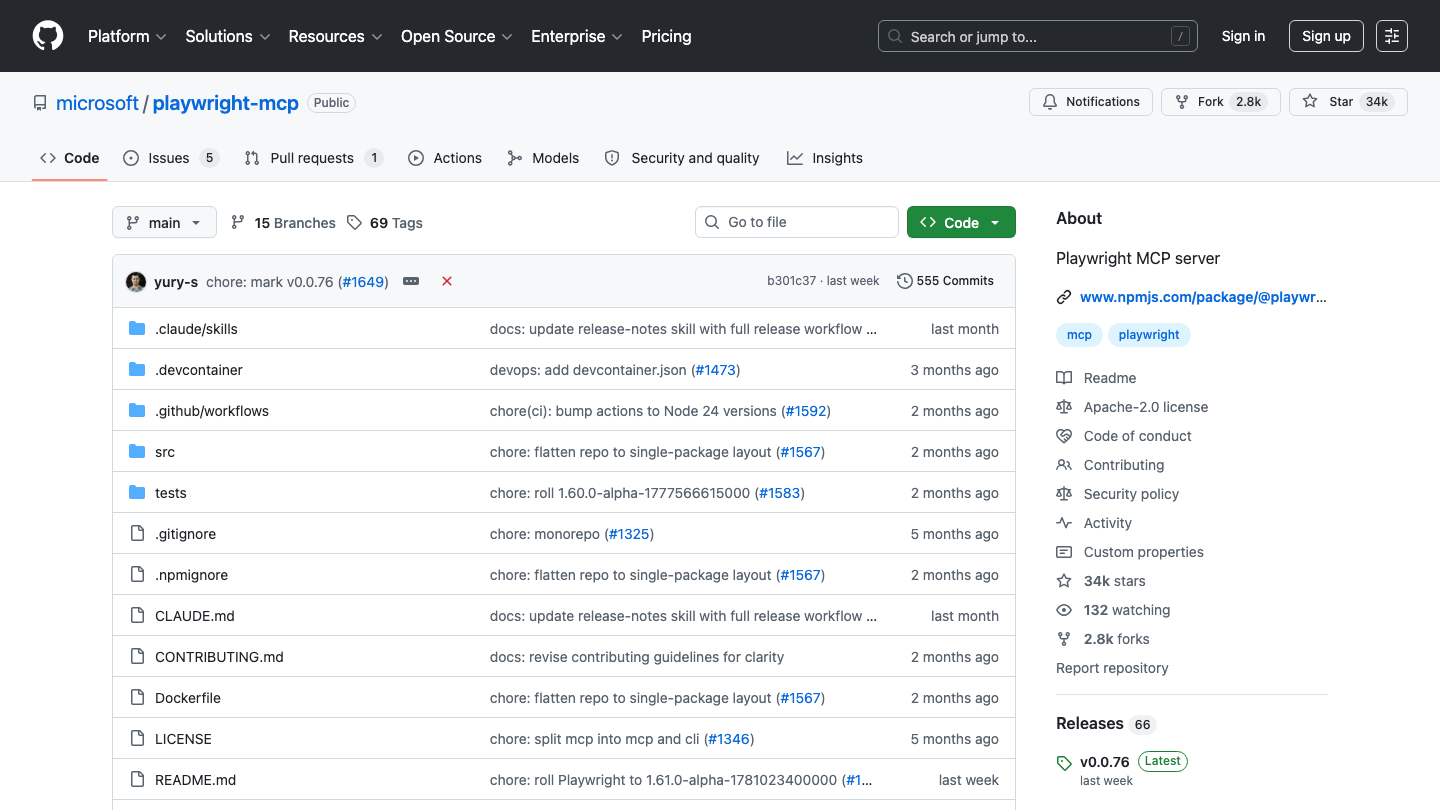
Playwright MCP is Microsoft's official browser automation server, built on the Playwright framework. It lets an agent drive a real browser through structured accessibility snapshots rather than raw pixels, so the model navigates pages, fills forms, clicks, and asserts state the way a tester would.
This is the server teams reach for when they want agents to verify a deployed UI, reproduce a bug, or run an end-to-end flow. One caution: each step and screenshot consumes tokens, so a long browser flow can get expensive. Scope the run and budget accordingly.
Best use case: end-to-end testing and UI verification where an agent needs to interact with a live web app.
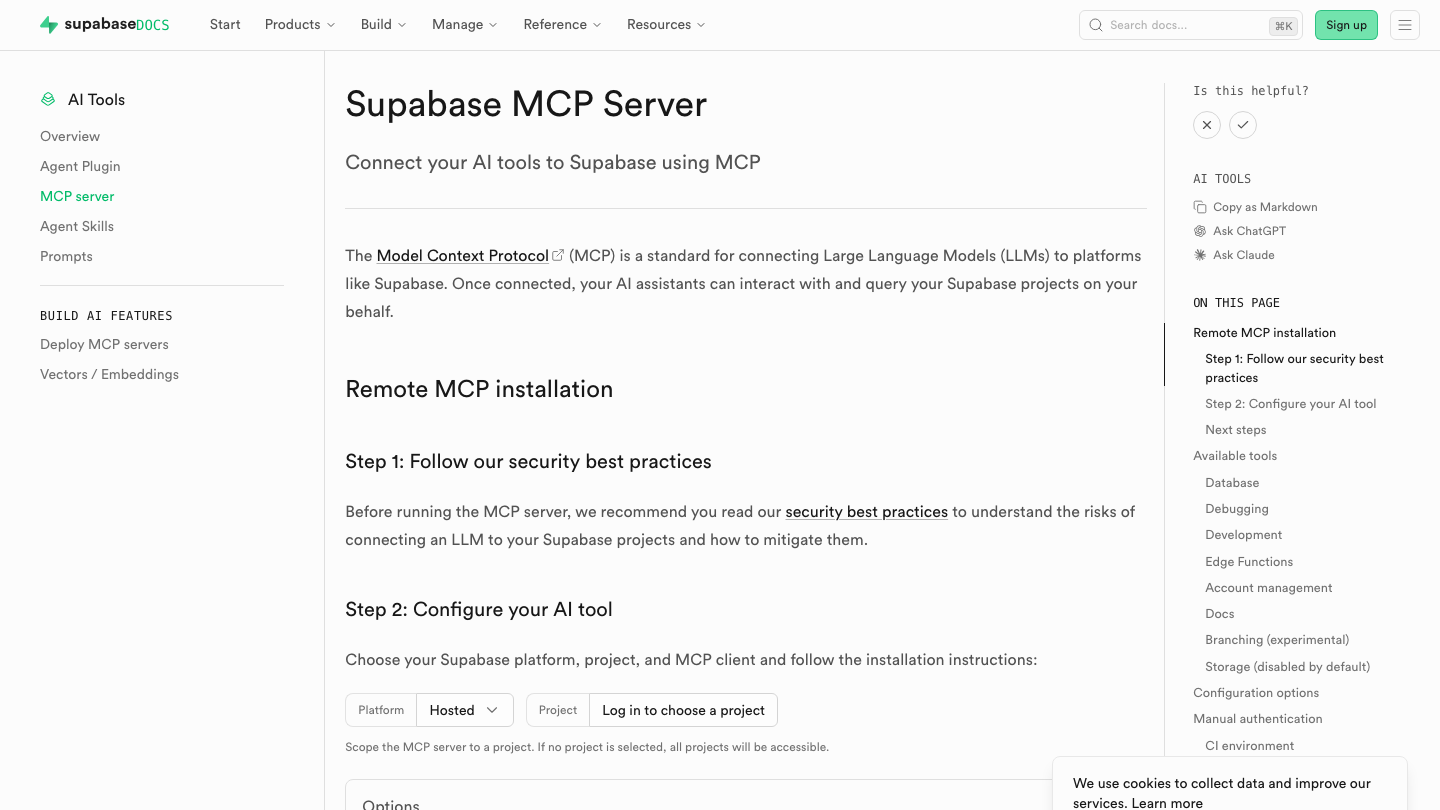
4. Supabase MCP
Supabase MCP connects an agent to a Supabase project, covering Postgres queries, schema, edge functions, and project management. The hosted server runs at a Supabase URL with OAuth, so you skip local setup, and it understands Row Level Security policies, which matters when an agent touches production data.
It fits the common stack where Supabase is the backend: an agent can inspect tables, draft migrations, and wire up functions while staying inside the project's auth rules. Teams building on this pattern often pair it with AI agent development work to harden what the agent is allowed to do.
Best use case: teams building on Supabase who want an agent that can query data and manage schema with RLS awareness.
5. Postgres MCP Pro
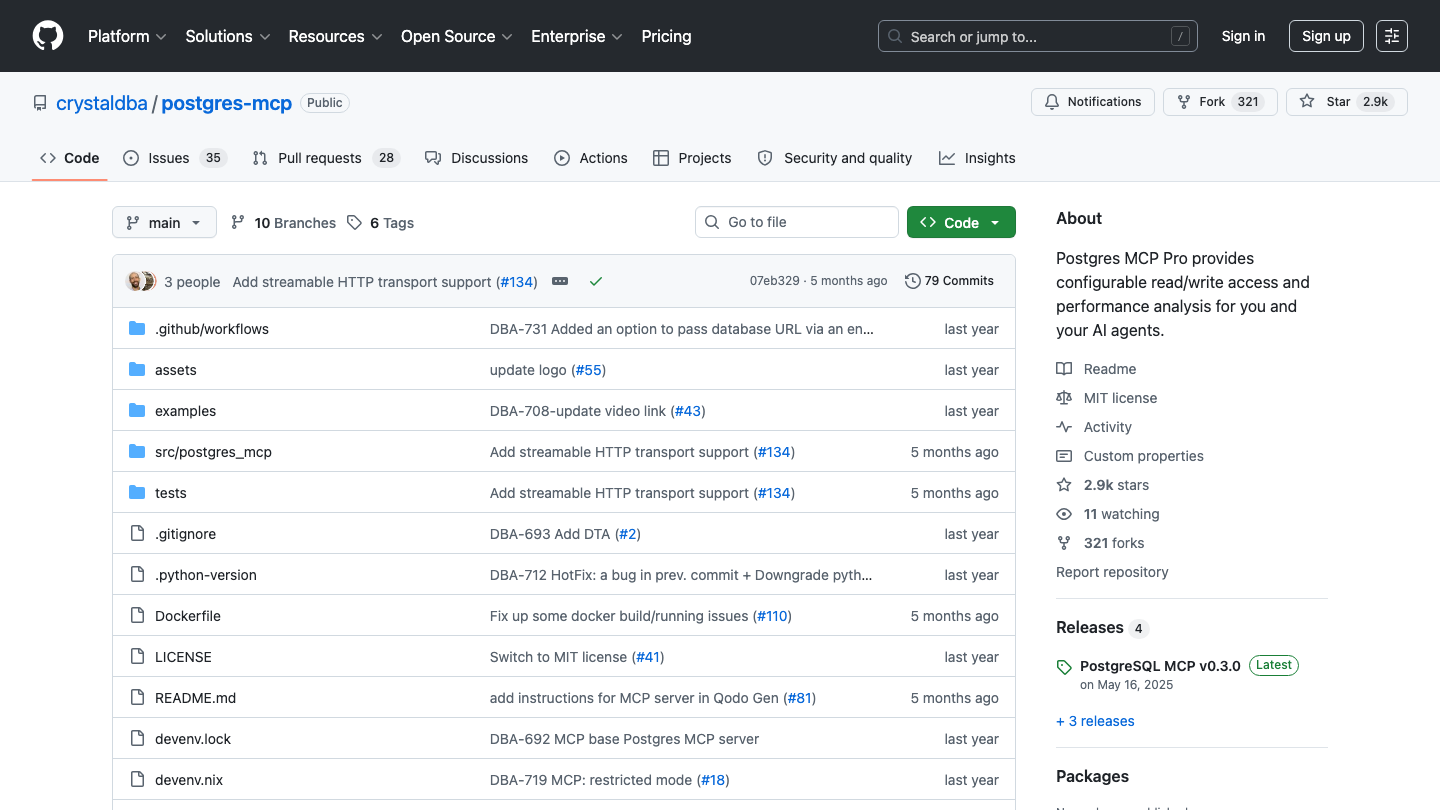
Postgres MCP Pro by Crystal DBA goes deeper than generic database connectors. Beyond configurable read and write access, it adds database health analysis, index tuning, and query plan review, so an agent can find a slow query, simulate a hypothetical index, and validate the EXPLAIN plan before recommending a change.
That makes it useful across the full lifecycle, from early schema design to production tuning. If your bottleneck is a Postgres instance that needs real performance work rather than simple CRUD, this server gives the agent the tools to reason about it.
Best use case: performance tuning and health analysis on a production Postgres database.
6. Cloudflare MCP
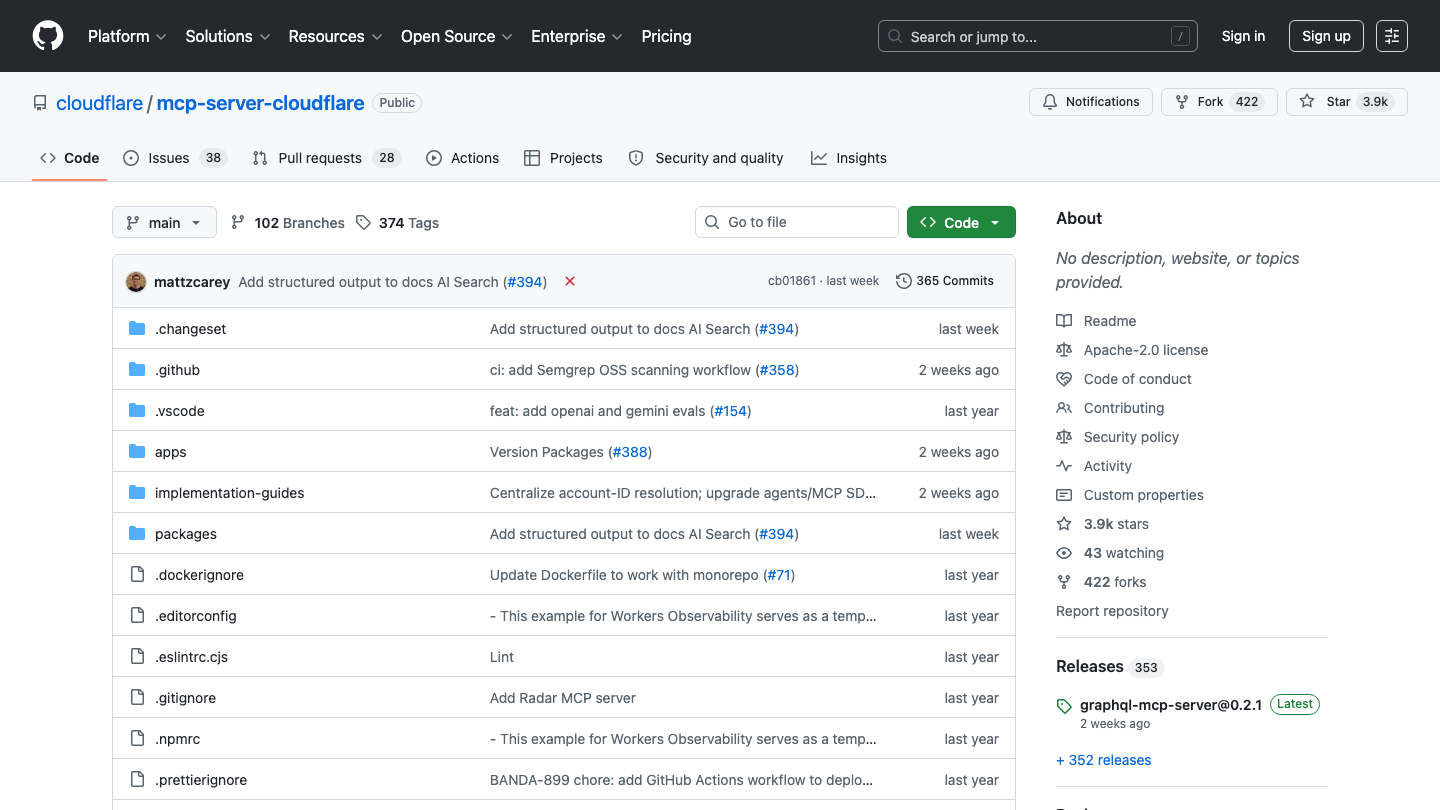
Cloudflare MCP is Cloudflare's official suite of remote servers spanning Workers, R2, KV, D1, DNS, and Workers AI. Instead of opening the dashboard, an agent can add a DNS record, inspect a Worker, or query a D1 database through tool calls, with the platform handling auth and scoping.
Cloudflare ships these as hosted servers, which keeps the setup light and the surface current. For teams whose infrastructure already lives on Cloudflare's edge, this server removes a lot of manual console work.
Best use case: managing edge infrastructure, DNS, and Workers from inside an agent workflow.
7. Notion MCP
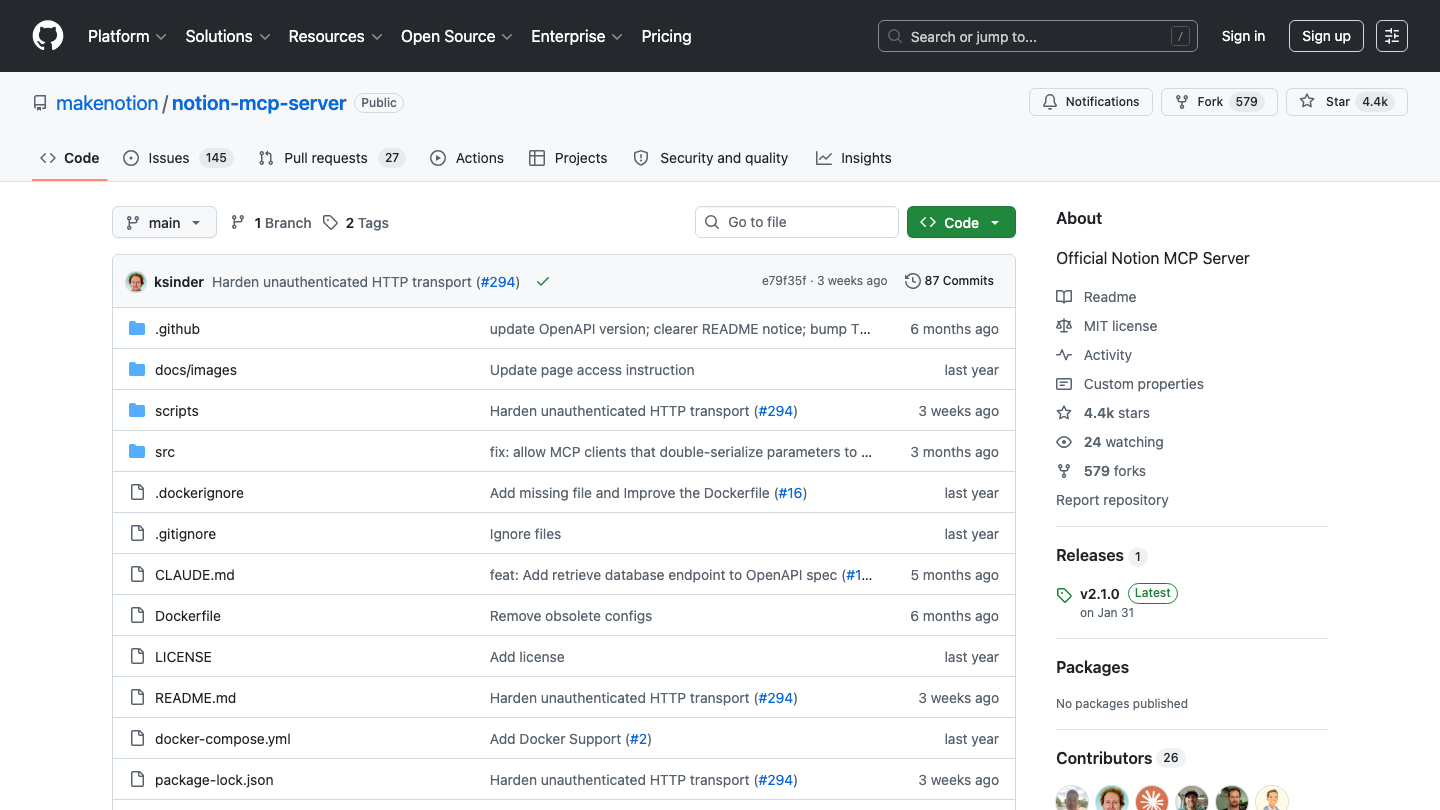
Notion MCP is Notion's official server, giving an agent read and write access to pages, databases, and wikis. The hosted version runs at a Notion URL with OAuth and ships tools tuned for AI agents, so the model can search docs, update a page, or pull structured data from a database.
It shines in documentation workflows: an agent can keep a runbook current, file meeting notes, or sync project status without a human copy-pasting. Notion has signaled it is prioritizing the remote server, so plan around the hosted option.
Best use case: automated documentation and knowledge workflows where an agent reads and updates team docs.
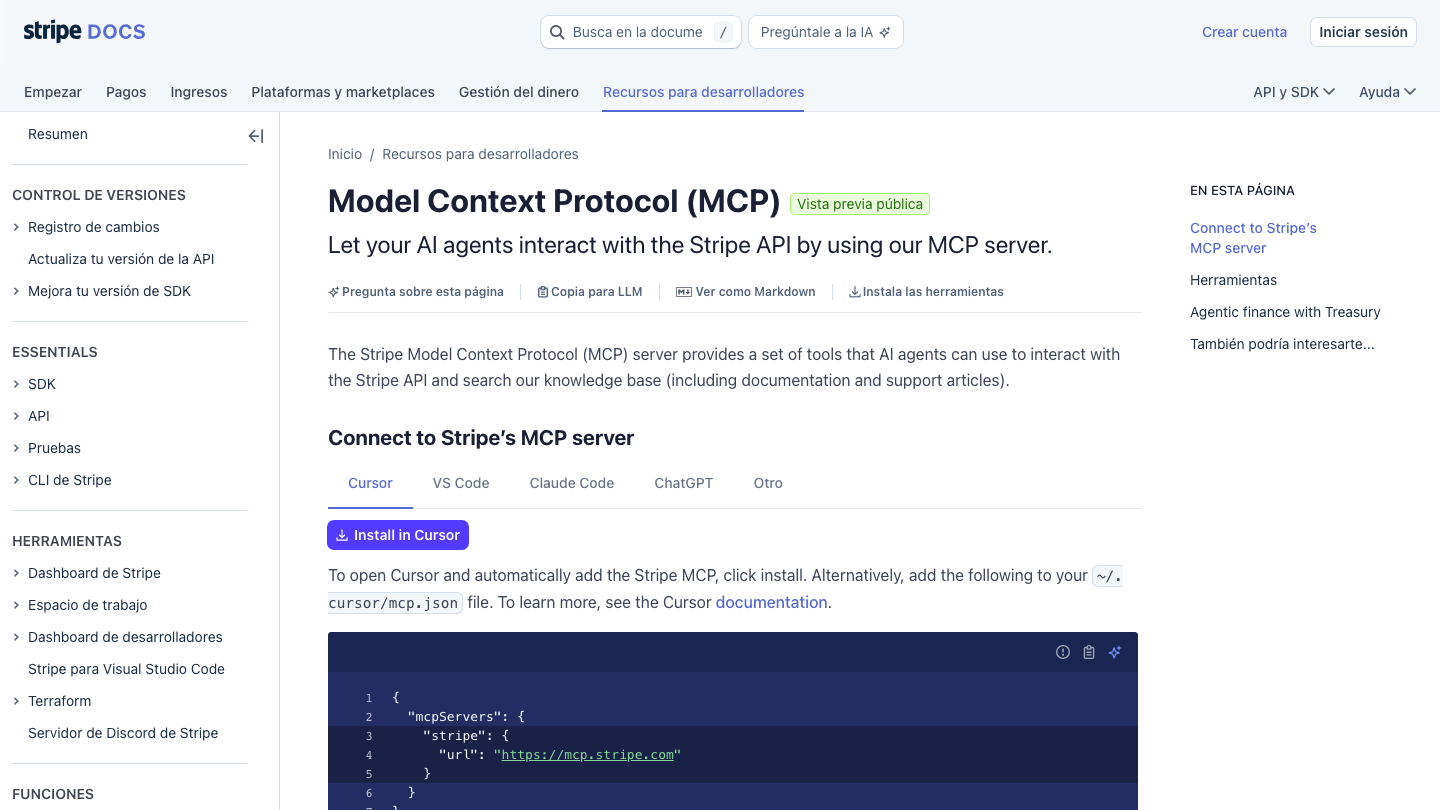
8. Stripe MCP
Stripe MCP is Stripe's official server for payments work, exposing customers, charges, subscriptions, refunds, invoices, and billing. Stripe runs a hosted remote server with OAuth, and the @stripe/agent-toolkit brings the same functions into agent frameworks in TypeScript and Python.
For anyone building billing logic or support automation, this lets an agent look up a customer, issue a refund, or check a subscription state with proper auth. Keep write scopes tight in production, since payment actions carry real consequences.
Best use case: payment and billing automation, from customer lookups to refunds and subscription management.
9. Sentry MCP
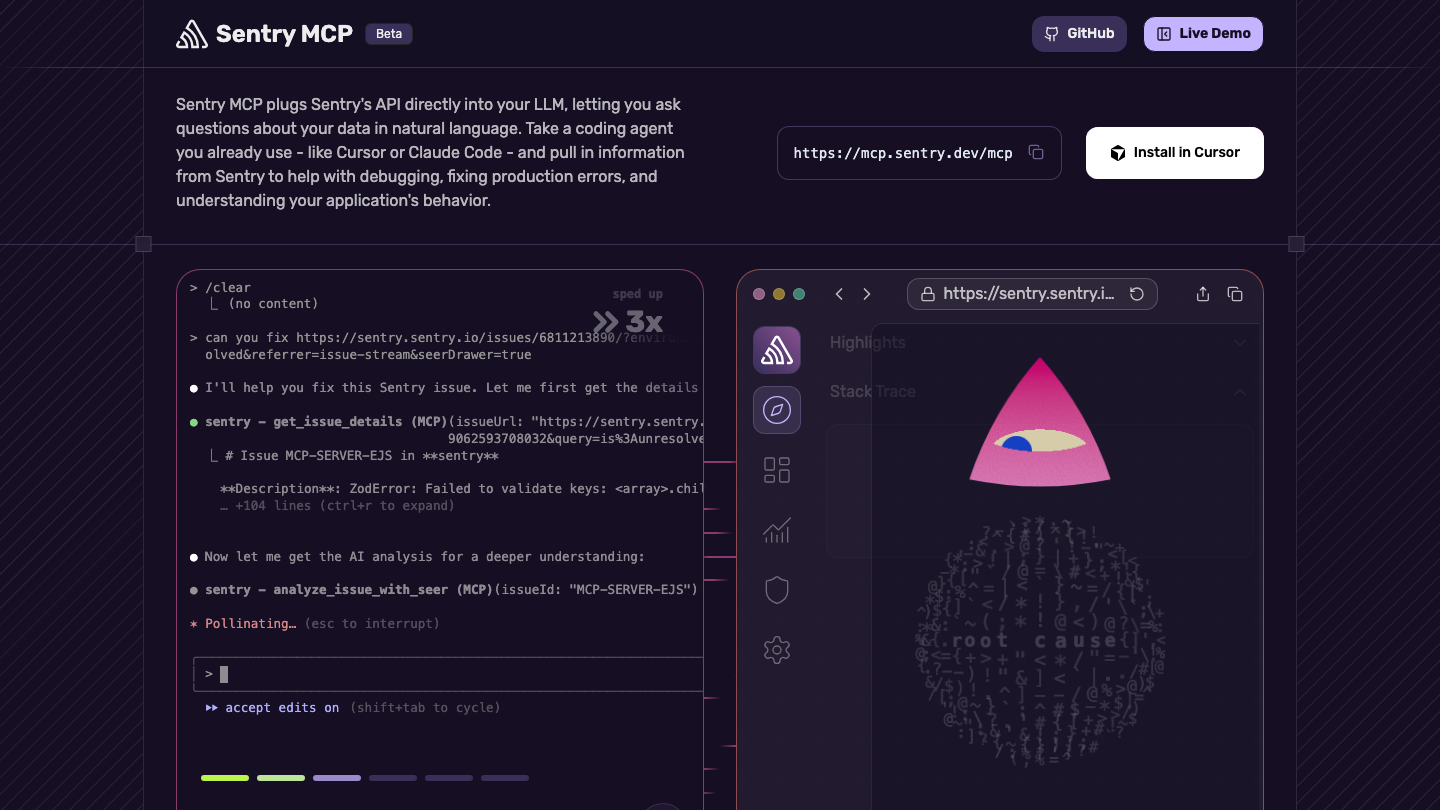
Sentry MCP is Sentry's official server, and it gives an agent structured access to error data, performance issues, releases, and projects. The remote server at the Sentry MCP URL handles auth and supersedes the older stdio build, so an agent can pull a stack trace, see which release introduced a regression, and propose a fix.
This closes a common loop: an error fires in production, the agent reads the Sentry issue, traces it back to the code through the GitHub server, and drafts a patch. Pairing observability with code access is where agents start saving real debugging time.
Best use case: debugging workflows where an agent reads production errors and ties them back to recent releases.
10. Context7
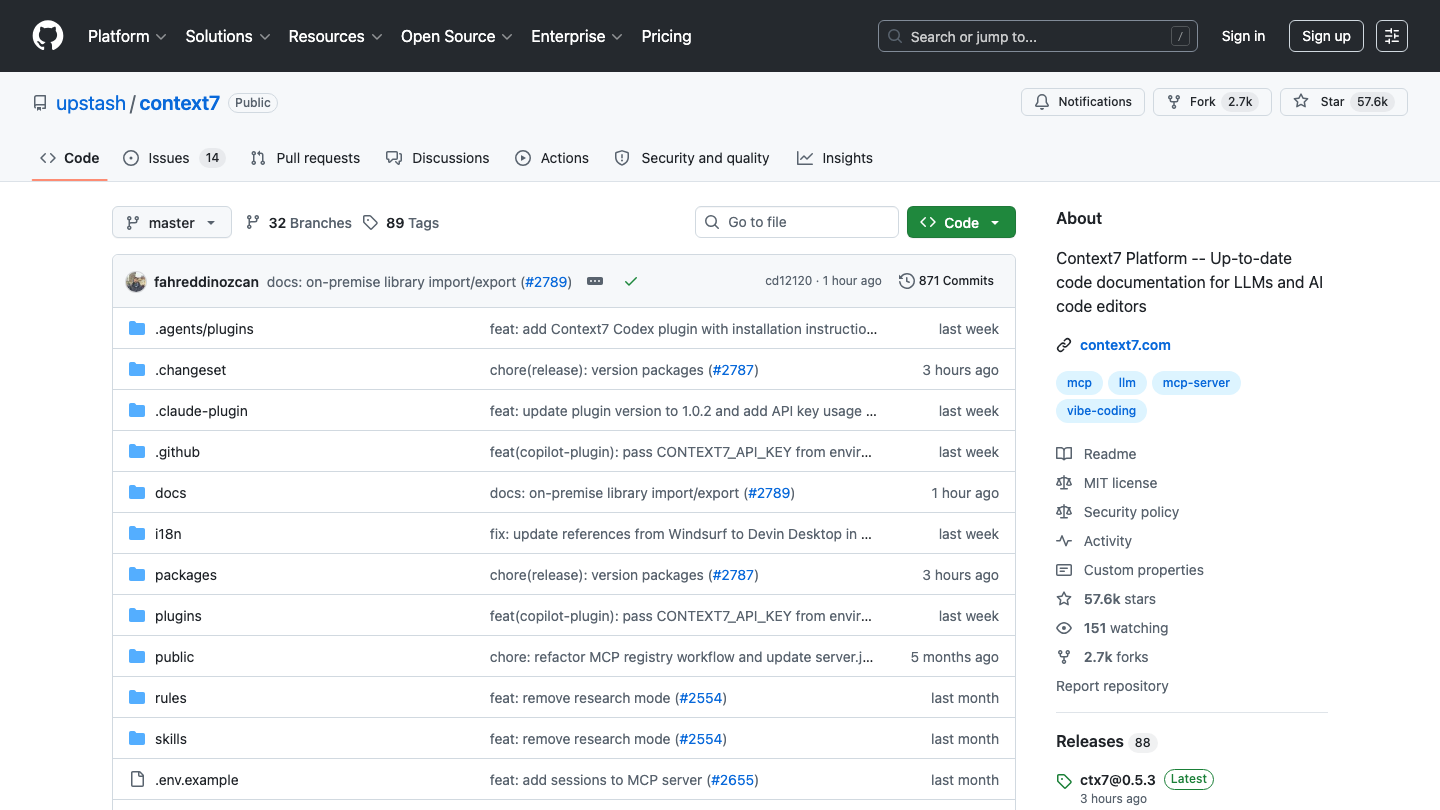
Context7 by Upstash solves a specific, frequent failure: agents writing code against outdated or hallucinated APIs. It pulls current, version-specific documentation for thousands of libraries and injects it into the prompt, so the model writes calls that match the version you actually use.
It runs as a hosted server with an API key or as a local stdio process, and it is free to use. For agents that touch fast-moving frameworks, this server cuts down on broken imports and deprecated calls. Teams building retrieval-heavy systems often combine it with proper RAG pipeline architecture for internal knowledge.
Best use case: keeping code generation accurate by feeding agents up-to-date library documentation.
11. Linear MCP
Linear MCP is Linear's own remote server, hosted at mcp.linear.app, giving an agent direct access to issues, projects, and comments without a local process to run or update. Connecting it is a single command for Claude Code: claude mcp add --transport http linear-server https://mcp.linear.app/mcp, or npx mcp-remote https://mcp.linear.app/mcp for VS Code and Windsurf-style clients.
Because it is centrally hosted and managed by Linear directly, an agent stays current with the tool's own roadmap without a self-hosted build to patch. Authentication supports OAuth 2.1, API keys, or bearer tokens, and a dedicated read-only endpoint exists for teams that want an agent to see issues without writing to them.
Best use case: agents that create or update Linear issues directly from a coding session, closing the loop between a bug report and the fix.
If you are building an agent system that connects to multiple MCP servers, our AI agent development team handles the MCP integration layer, tool schema design, and production deployment as part of every build. Book a free architecture review.
Comparison table
| Server | Category | Best for | Hosted/Self |
|---|---|---|---|
| GitHub MCP | Code and repos | Issues, PRs, and CI automation | Both |
| Filesystem MCP | Local files | Scoped file read and write | Self |
| Playwright MCP | Browser automation | End-to-end UI testing | Self |
| Supabase MCP | Database and backend | Supabase projects with RLS | Hosted |
| Postgres MCP Pro | Database | Performance tuning and health | Self |
| Cloudflare MCP | Edge infrastructure | Workers, DNS, and D1 | Hosted |
| Notion MCP | Docs and knowledge | Documentation workflows | Hosted |
| Stripe MCP | Payments | Billing and refund automation | Both |
| Sentry MCP | Observability | Error and release debugging | Hosted |
| Context7 | Documentation context | Accurate, current API docs | Both |
| Linear MCP | Project management | Issue and project workflows | Hosted |
How to choose
You rarely want all 11. Pick the smallest set that covers your real work, then expand. Three questions narrow it fast.
1) Hosted or self-hosted?
Hosted servers (Supabase, Cloudflare, Notion, Sentry) cut setup to an OAuth click and stay current, but your agent's calls flow through the vendor. Self-hosted servers (Filesystem, Postgres MCP Pro, Playwright) keep data and execution on your hardware, which matters for sensitive code or regulated data. If privacy is the constraint, lean self-hosted and run a local model client.
2) What does the agent touch most?
Map servers to your daily surface. If you live in pull requests, start with GitHub MCP and Filesystem MCP. If your bottleneck is the database, add Supabase MCP or Postgres MCP Pro. If you ship to the edge, add Cloudflare MCP. Do not install a server you will not call this week, since every extra tool inflates the prompt and the attack surface.
3) How much do you trust write access?
Read-only servers are low risk. Write access to payments, infrastructure, or production databases is not. Stripe MCP and Cloudflare MCP can change real money and real DNS. Scope tokens to the minimum, prefer read-only in early experiments, and add human approval steps before destructive actions. If you are putting agents into production, engineer placement can bring in people who have already hardened these flows.
A practical starting setup: Filesystem, GitHub, and one database server. That covers most of the value. Add Playwright for testing, Context7 for accuracy, and the vendor servers as your stack demands. Run a one-week pilot with your actual workflows before committing the agent to anything that writes.
Ready to put these MCP servers to work in a production agent? Our AI agent development service covers server selection, MCP integration, and ongoing maintenance. Book a free scoping call.
FAQ
What is the best MCP server to start with?
Start with Filesystem MCP and GitHub MCP. Together they let an agent read your code, edit files, and manage issues and pull requests, which covers most local development work. Add a database server once the agent needs live data.
Are MCP servers free?
Many are. Filesystem MCP, GitHub MCP, Playwright MCP, and Context7 are free and open source. Hosted vendor servers like Supabase, Cloudflare, Stripe, Notion, and Sentry are free to connect, though you pay for the underlying service usage as you normally would.
What is the difference between hosted and self-hosted MCP servers?
Hosted servers run on the vendor's infrastructure and connect over a URL with OAuth, so setup is fast and the tools stay current. Self-hosted servers run as a local process you launch, keeping data and execution on your own machine. Choose hosted for speed, self-hosted for data control.
Can MCP servers work with Cursor and Claude Code?
Yes. MCP is a shared standard, so the same server works across Claude Code, Cursor, Windsurf, Codex, and other MCP-aware clients. You configure the server once per client, usually in a settings file, and the agent can call its tools. For a Claude Code specific stack with install notes per server, see the 12 best Claude Code MCP servers.
Are MCP servers safe to use?
They are as safe as the access you grant. The main risks are over-broad write permissions and untrusted third-party servers. Stick to official or well-known servers, scope tokens to the minimum, prefer read-only access early, and add approval steps before any destructive action.
Which MCP server is best for databases?
For a Supabase backend, use Supabase MCP, which respects Row Level Security. For deeper Postgres work, Postgres MCP Pro adds index tuning, query plan review, and health checks, making it the stronger pick when performance is the problem rather than basic queries.
How many MCP servers should I install?
Install only what you call regularly. Each server adds tools to the prompt and widens your attack surface, so a focused set of three to five usually beats a long list. Start small, measure which tools the agent actually uses, and prune the rest.
Do I need a custom MCP server?
Often the official servers cover the need. Build a custom server when you have an internal system, proprietary data, or a workflow no public server handles. A focused mcp server development approach keeps the tool surface small and the permissions tight.
Sources: GitHub MCP, Filesystem MCP, Playwright MCP, Supabase MCP, Postgres MCP Pro, Cloudflare MCP, Notion MCP, Stripe MCP, Sentry MCP, Context7, Linear MCP
Book a Free Strategy Call
Building this in production?
Walid runs a 30-min call to map your AI engineering team. Free, no slides.
Free weekly brief
Steal our production automations
The exact n8n flows, Claude Code setups, and prompts we ship for clients, broken down step by step. No spam, unsubscribe anytime.

Robel engineers production-grade automation pipelines at AY Automate, focused on integrations, reliability, and the systems that keep client workflows running.