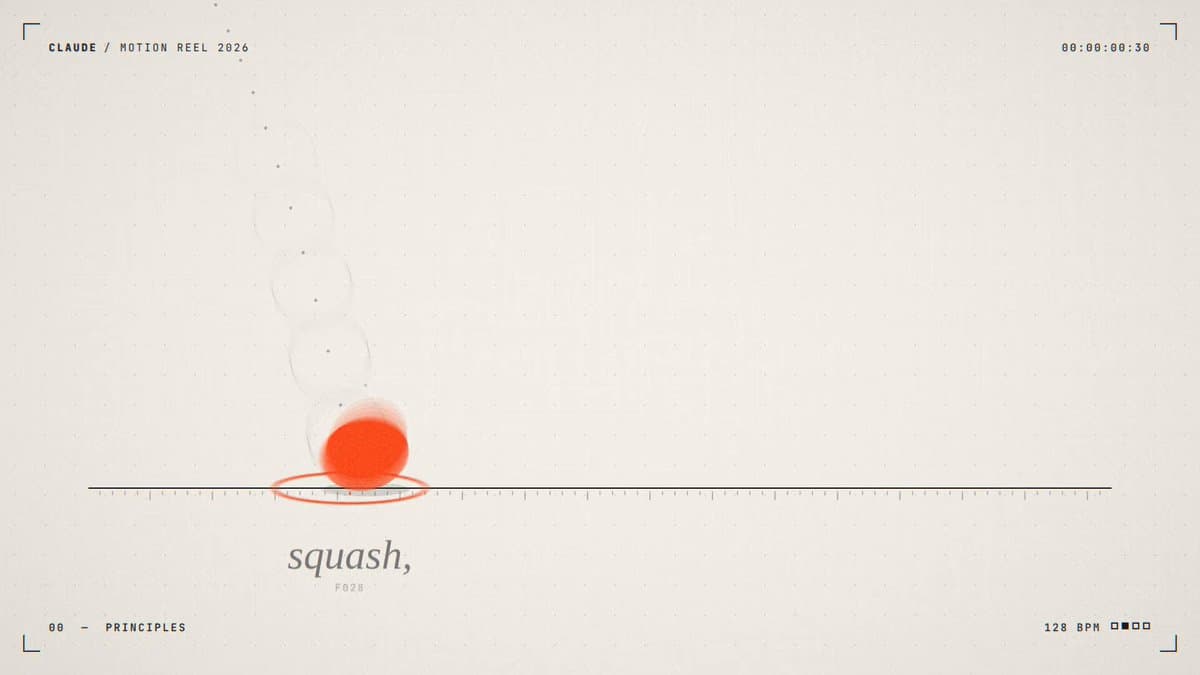
Real Claude Opus 5.5 motion graphics, with the actual prompts
48 real X posts about Claude Opus 5.5 motion graphics, pulled live on 2026-09-28. Likes, views and authors are each post's numbers at that moment, not fabricated or projected. 10 posts include the creator's own full prompt, copied word for word, with a link back to the source.
1. Browse real examples
Filter by category and sort by most-liked, most-viewed or newest. Every card links to the real post on X.
2. Copy a verified prompt
10 cards ship the creator's exact prompt in a copyable block. No prompt is attributed to someone who didn't write it.
3. Build your own
Use the prompt builder below to assemble a structured prompt from your product, message and reference style. Templating, not AI.
Sort byLikes and views are each post's count as pulled on 2026-09-28.
ShowreelVideo
S
Stephan Livera
@stephanlivera
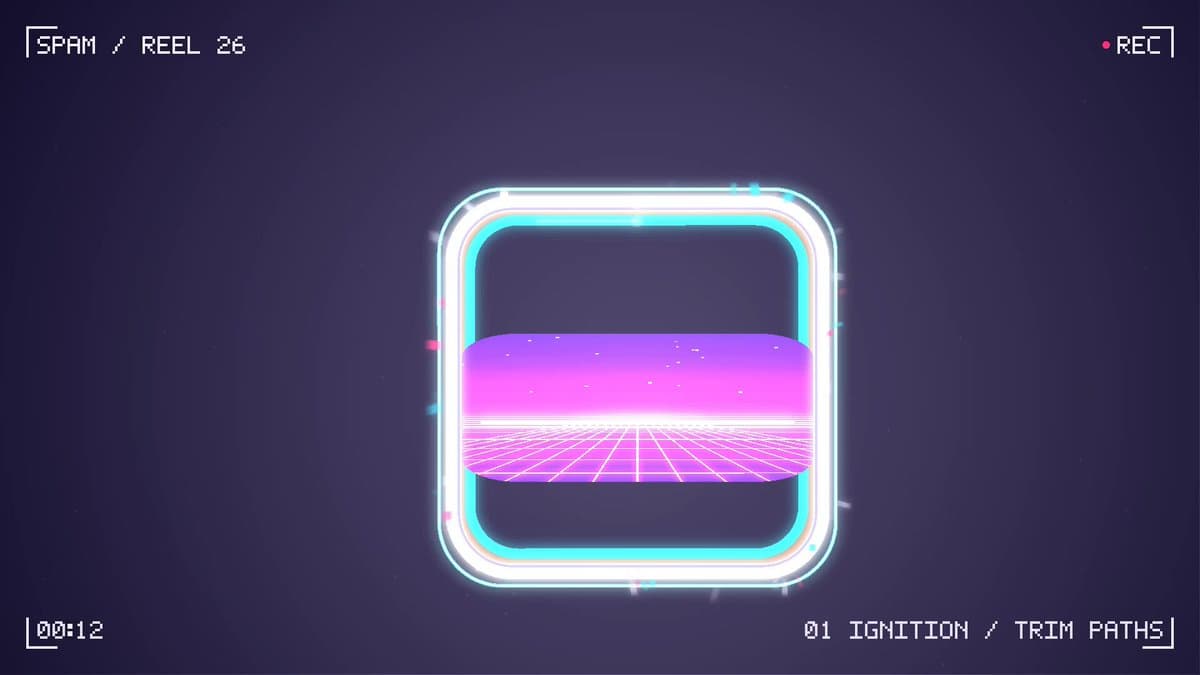
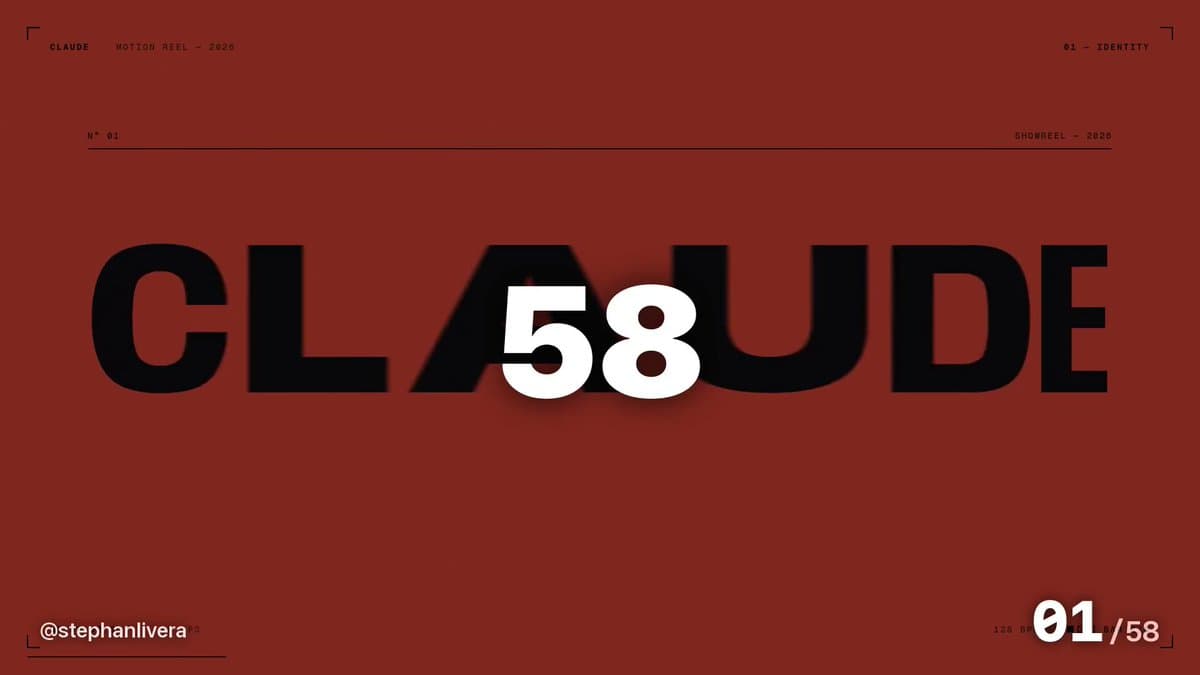
Gave Opus 5.5 one line on max effort: make a showreel that shows what an incredible motion designer you are, go all out. This is the post that kicked off the wave of Opus 5.5 showreel videos, at nearly 2M views.
make a dynamic 15-second motion graphics video that shows what an incredible motion designer you are, like it's your showreel for a résumé. go all out.
Copied word for word from Stephan Livera's post. AY Automate has not tested it.
ExplainersVideo
D
donald
@donaldjewkes
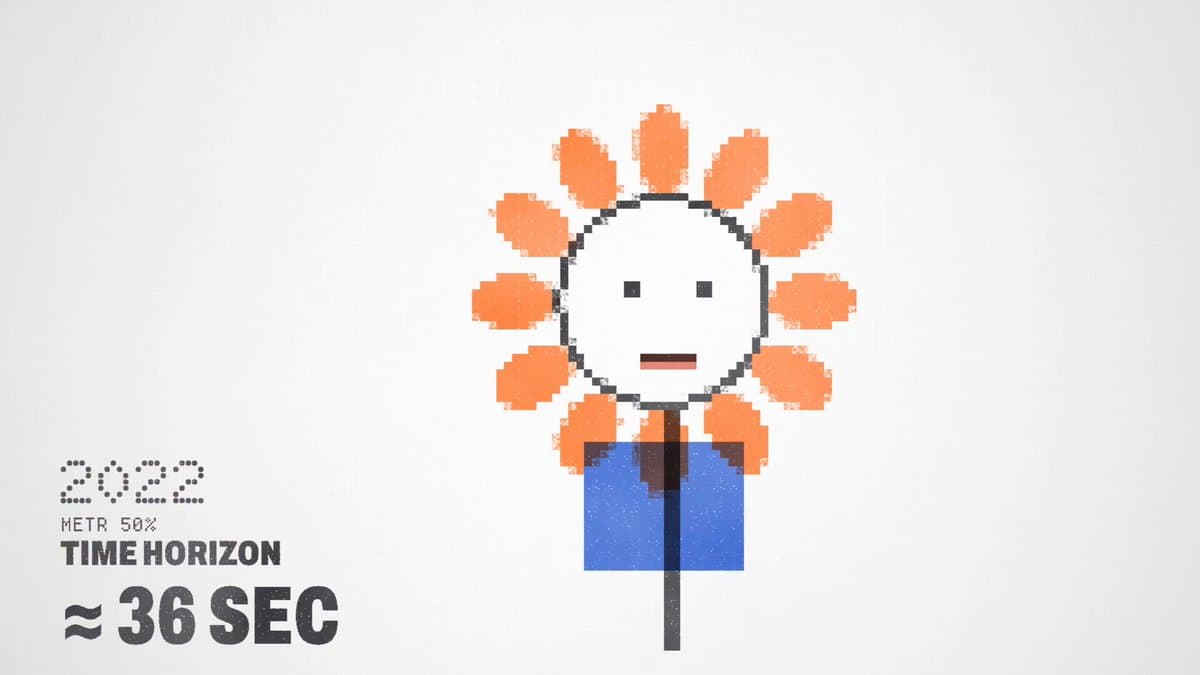
Made an illustrated AI timeline with one prompt to Opus 5.5. Spoke to his computer for 5 minutes, Claude worked for 12 hours, and he woke up to the finished video. Posted the full prompt separately.
donald gave Claude Opus 5.5 one prompt for an illustrated AI timeline, talking the idea through out loud for about five minutes. Claude worked for 12 hours and he woke up to the finished video; he posted the full prompt in a separate post rather than in this one.
ShowreelVideo
K
kirill sh
@shneural
Gave Opus 5.5 and GPT-6 Astra the exact same showreel prompt to compare motion design quality head to head.
Ajith used the same one-line showreel prompt that had already spread across X and shared his own result.
Landing pagesVideo
D
Deedy
@deedydas
Made a launch video for an inference startup in about 1 minute for around $2 in API cost, prompted with a request for a modern, slick and punchy startup video.
Brivael Le Pogam fed Claude Opus 5.5 a French theory-analysis thread that had reached 80 million views and asked it to turn the thread into a video explainer.
3D & physicsVideo
T
The Bugged Dev
@thebuggeddev
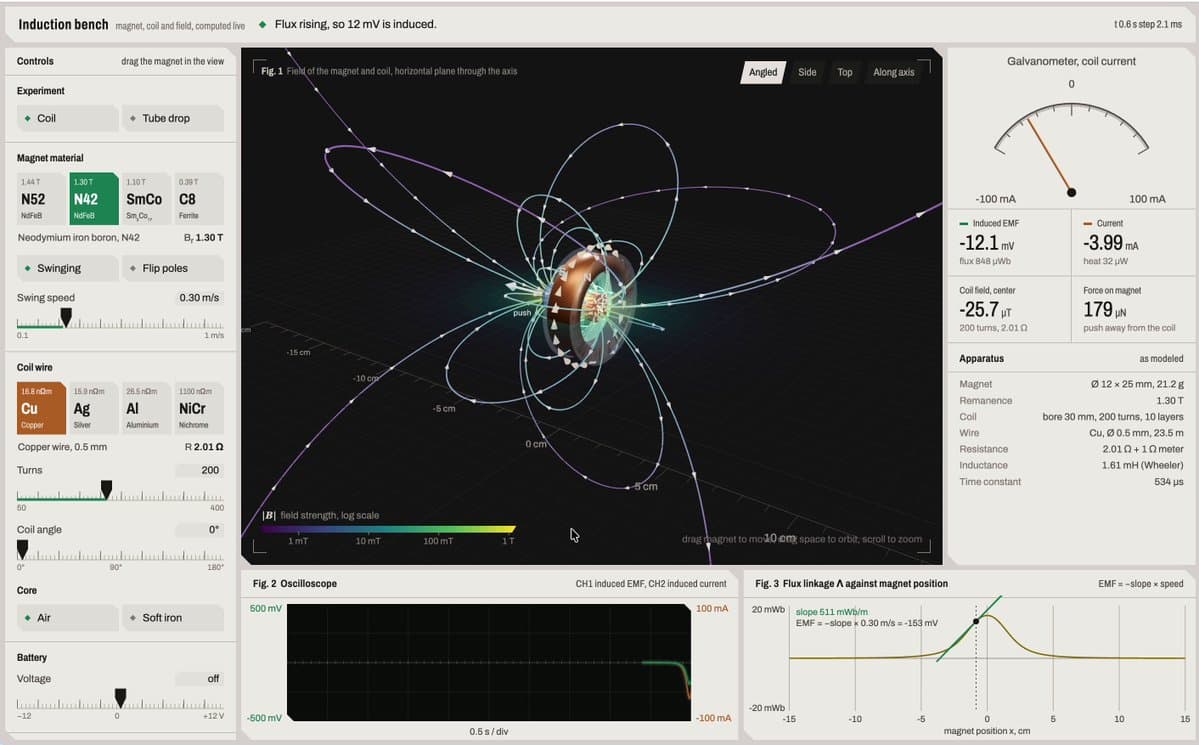
An electromagnetic field visualization built using Claude Opus 5.5, made to help understand a subject he says he never understood as well through a textbook.
The Bugged Dev built an electromagnetic field visualization with Claude Opus 5.5, saying it helped him understand the subject better than a textbook ever did.
Landing pagesVideo
Z
zero
@twoclipping
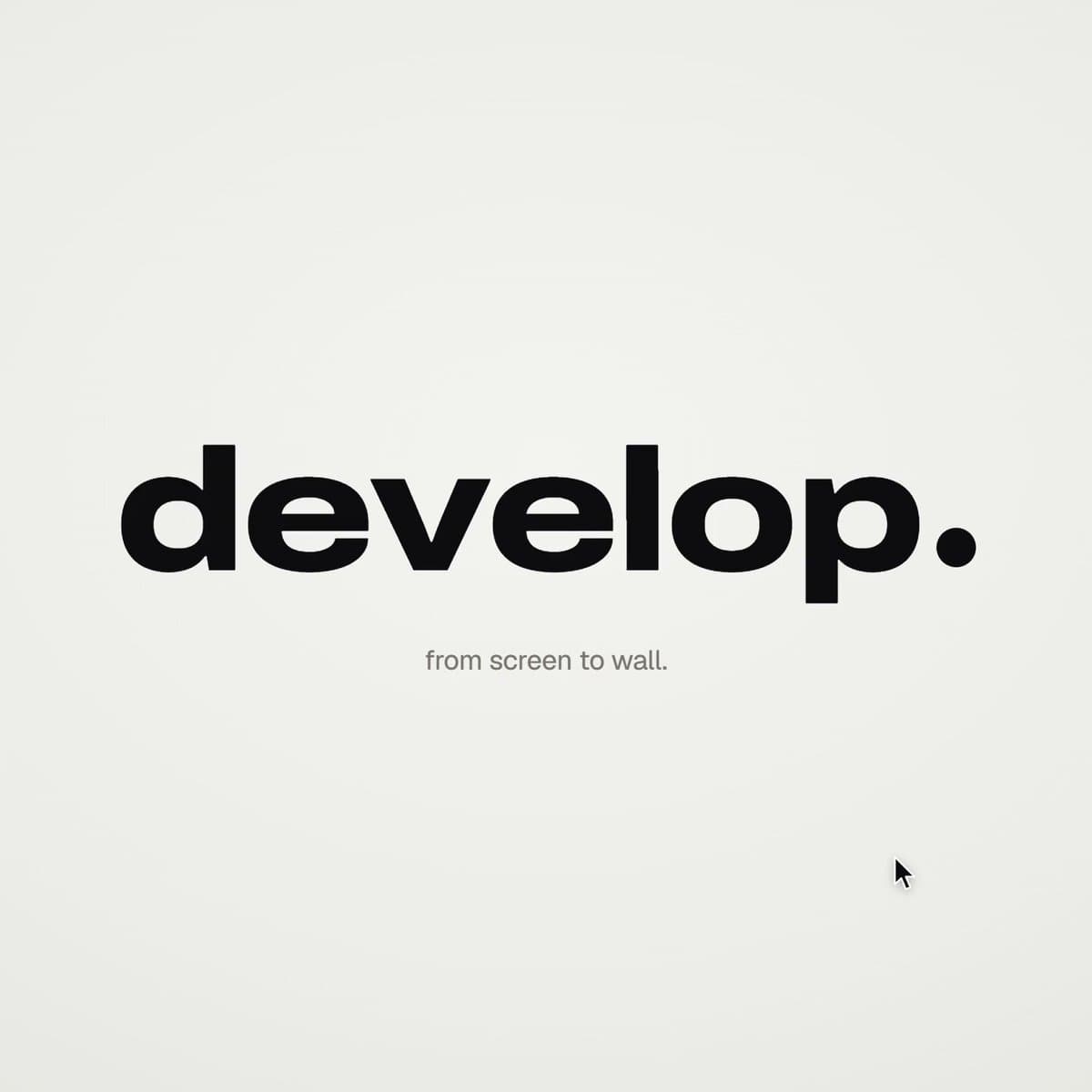
An Apple-keynote-style launch film, cost $0, built entirely with Opus 5.5 and free stock assets.
Ask me for: a one-word brand name for the wordmark (a verb works best), 9 to 12 high-res photos, a royalty-free song around 120 BPM with a drop and a quiet breakdown, and a free stock clip of a plain wall with moving plant shadows. Direction: an Apple-keynote launch film, 2D only, one continuous take. Every scene is made out of the previous one, nothing fades, blurs or cuts. Objects change shape instead: text rises out of a mask line, icons pop from zero on a spring, bars draw across, pages push, and a black shape floods the whole frame and contracts into the next scene. Warm off-white canvas, black UI, liquid-glass style over the photos. A cursor drives every change with real clicks, drags and long-presses. The camera zooms so each moment fills the frame, and the cursor scales with it. Banned: crossfades, blur-ins, 3D flips, particles, glows, holds longer than 1 second, anything that looks like a template. Structure: build to 120 BPM, 54 beats, something happens on every beat. Open on the wordmark, then an iris-blade transition into a photo grid that unfolds into a bento layout. A glass-morphing sequence relights a photo from day to golden hour. The scene pulls back into a phone lock screen, then a Mac window, then a browser landing page you can scroll, ending on an order-status sequence (Ordered, Printing, On its way, Delivered) that floods the frame and loops back to the opening wordmark. Build: one HTML file, rendered frame by frame from a time function, no CSS transitions or timers, springs as closed-form step responses so a value with many targets stays a pure function of time. Glass elements clone the scene behind them and distort it with an SVG displacement map for the frosted-glass look. Real photos re-encoded so every frame can be seeked exactly. Every sound effect is a real downloaded clip placed by its measured peak, never synthesized, mastered to -14 LUFS. Render with Playwright at 60fps. Ask for the inputs, then show a beat map and 4 still frames (open, glass, stage, wall) before rendering the full film.
Copied word for word from zero's post. AY Automate has not tested it.
Brand explainerVideo
H
Higgsfield AI
@higgsfield_ai
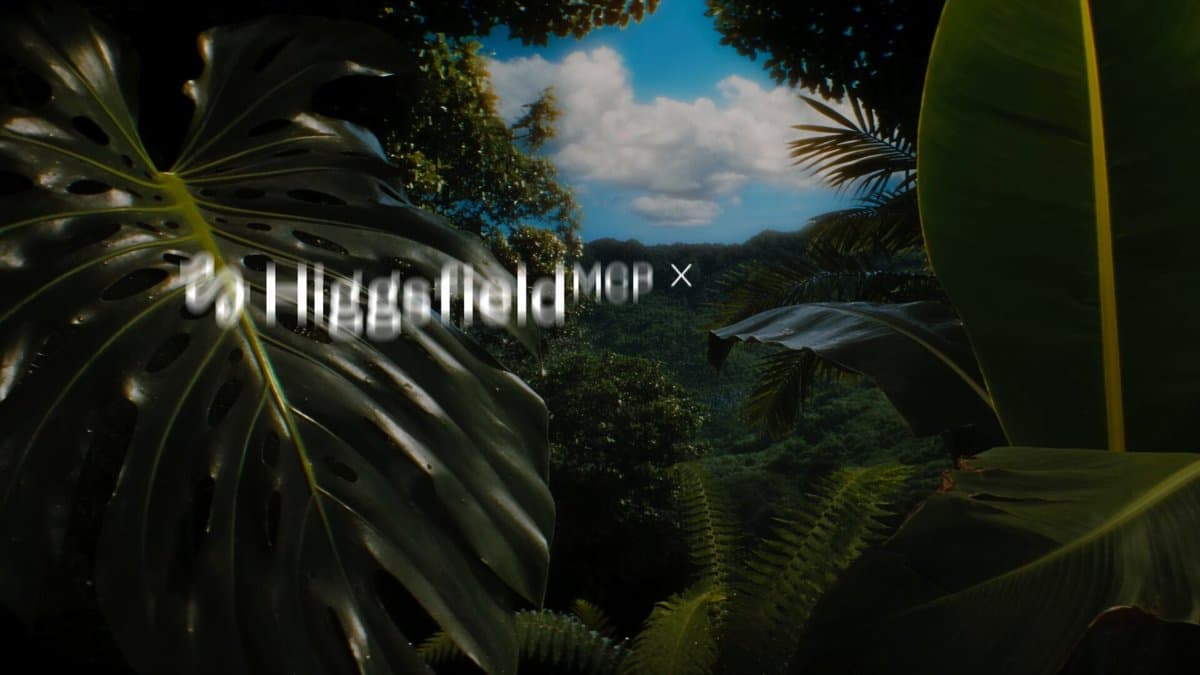
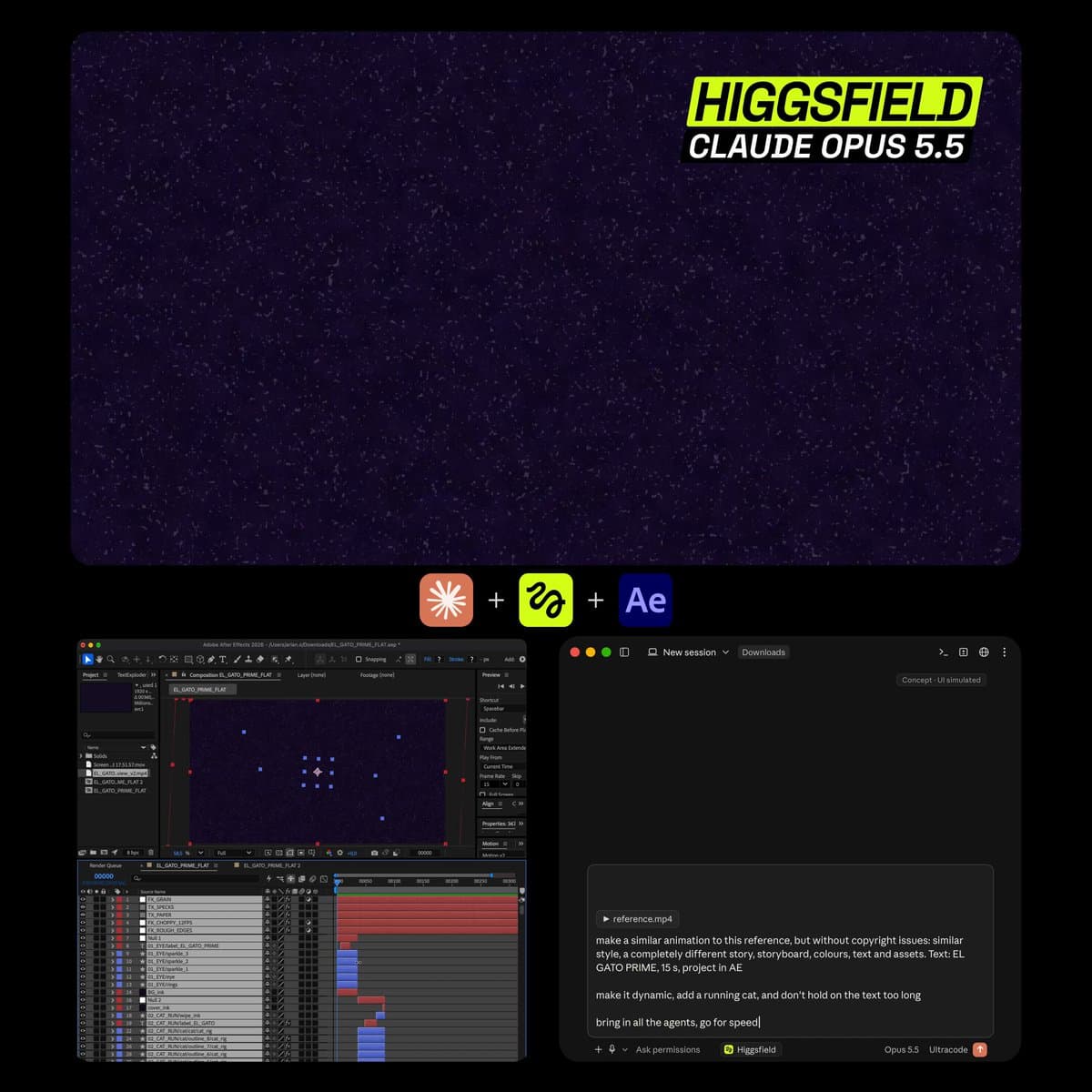
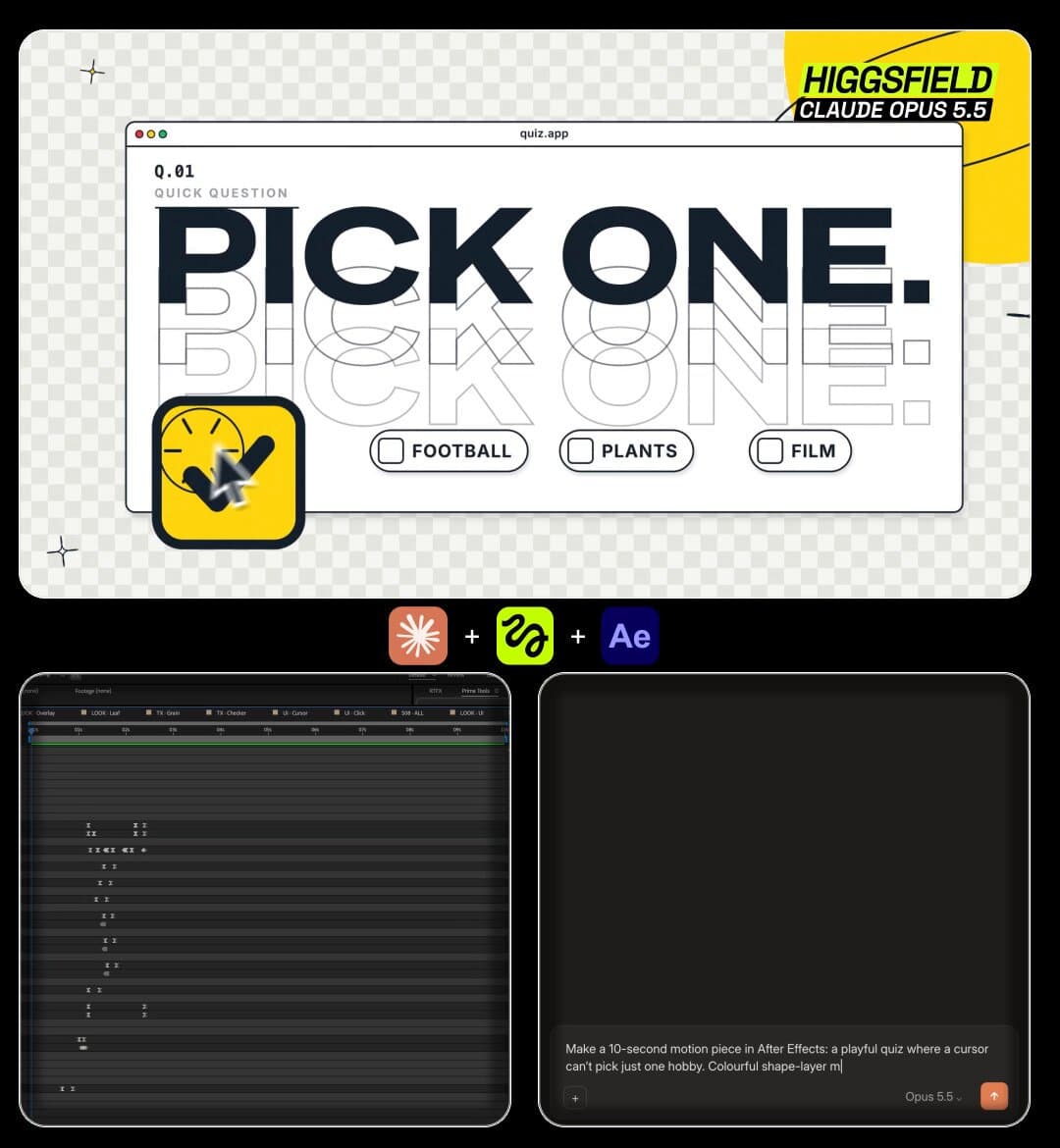
Introducing Higgsfield x Claude Opus 5.5 for Motion Design. With Higgsfield MCP, Opus 5.5 generates images/logos/graphics, builds and animates compositions, and renders the final video. You get an editable After Effects project to keep working on.
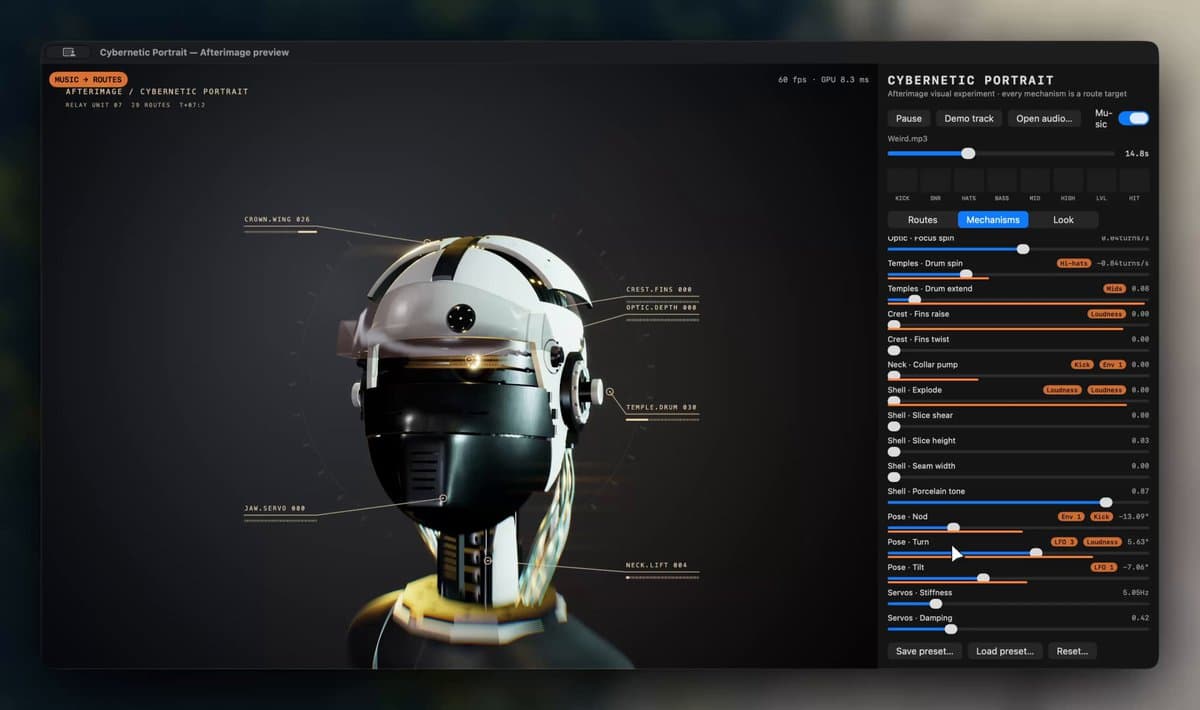
Zsolt Kacso asked Claude Opus 5.5 to build a native Mac app for visualizing music, model a robot head in Blender, and hook the two together with a track of his own from 2018.
ExplainersVideo
D
Deedy
@deedydas
A 7-minute explainer for the SQLite repo: what the repo does and why it's useful, a high-level map of the code, the life of a query through the codebase, the core abstractions, and a real execution trace including join-order query planning. Generated by Opus 5.5 with Gemini 3.8 for the voice.
Deedy had Claude Opus 5.5 generate a 7-minute explainer for the SQLite repo, covering what the repo does, a high-level map of the code, the life of a query through the codebase, the core abstractions, and a real execution trace including join-order query planning, with Gemini 3.8 providing the voice.
ShowreelVideo
H
Himanshu
@himanshutwtxs
Made this with Opus 5.5 on Max effort using the same one-line showreel prompt, sound on.
Daniel Smidstrup had Claude Opus 5.5 make a launch video for his product ClimbX in 20 minutes from a single prompt, with no After Effects involved.
TypographyGIF
C
Charlie Hills
@charliejhills
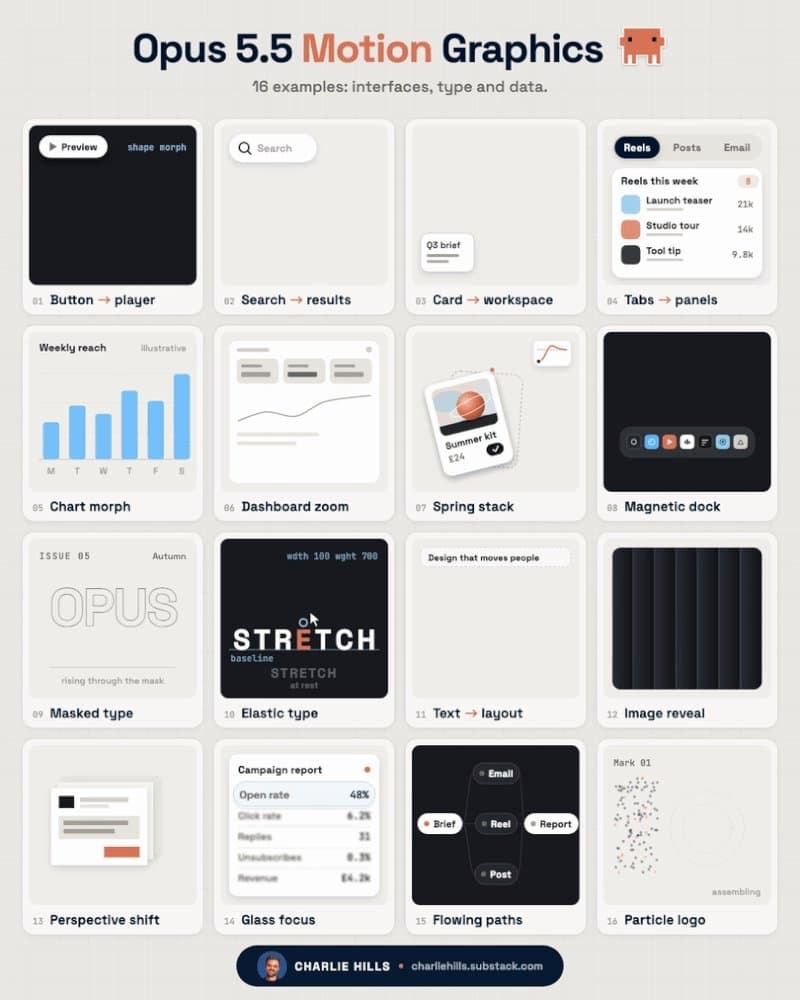
Claude Opus 5.5 can (finally) generate motion graphics. 16 motion graphics in Claude Code, my 3 steps: 1) Pick one motion, like a chart that morphs. 2) Show Claude a reference and name every state. 3) Ask for HTML and SVG, then fix it round by round.
Charlie Hills made 16 motion graphics in Claude Code using three steps: pick one motion (like a chart that morphs), show Claude a reference and name every state, then ask for HTML and SVG and fix it round by round.
Landing pagesVideo
L
Leon Lin
@LexnLin
Asked Claude Code (Opus 5.5) to make a launch video for a fake calendar app. One prompt, about 8 hours: name, logo, UI, animations, soundtrack and sound effects all in one pass. Open sourced.
Leon Lin asked Claude Code running Opus 5.5 to make a launch video for a fake calendar app. One prompt, about 8 hours: the name, logo, UI, animations, soundtrack and sound effects all came out in one pass, and he open sourced it.
ShowreelVideo
S
shownotover
@shownotover
Asked Opus 5.5 at Medium effort for a 30-second product video on a $20 Pro plan. The run used 31.8 million tokens over 54 minutes, about 59% of the 5-hour limit and 8% of the weekly one.
shownotover asked Claude Opus 5.5 at Medium effort for a 30-second product video on a $20 Pro plan; the run used 31.8 million tokens over 54 minutes, about 59% of the 5-hour usage limit and 8% of the weekly one.
Landing pagesVideo
K
Kazi Tarek
@Heykazitarek
Built a Gamma presentation, shared its screenshots with a video tool, then iterated on the opening segment and end-card wording in chat before the final product demo cut.
Kazi Tarek built a Gamma presentation, shared its screenshots with a video tool, then iterated on the opening segment and the end-card wording in chat before landing on the final product demo cut.
ShowreelVideo
D
Daryl Patigas
@darel023
Tested Opus 5.5 on max effort with a detailed showreel brief.
You're a world-class motion designer, and this is your 15-second résumé reel. Make it dynamic and confident: open with a striking hook in the first second, build through a sequence of distinct techniques (typography, shape play, camera moves, colour shifts), and land on a clean, memorable final frame. Pacing should feel like it's cut to music. Go crazy.
Copied word for word from Daryl Patigas's post. AY Automate has not tested it.
ShowreelVideo
M
Mirage
@trymirage
Made in one shot and fully editable afterward: 1,600-plus layers and 3,700-plus animations.
make a dynamic 15-second motion graphics video that shows what an incredible motion designer you are, like it's your showreel for a résumé. go all out.
Copied word for word from Rob Hallam's post. AY Automate has not tested it.
ExplainersVideo
M
Moritz Kremb
@moritzkremb
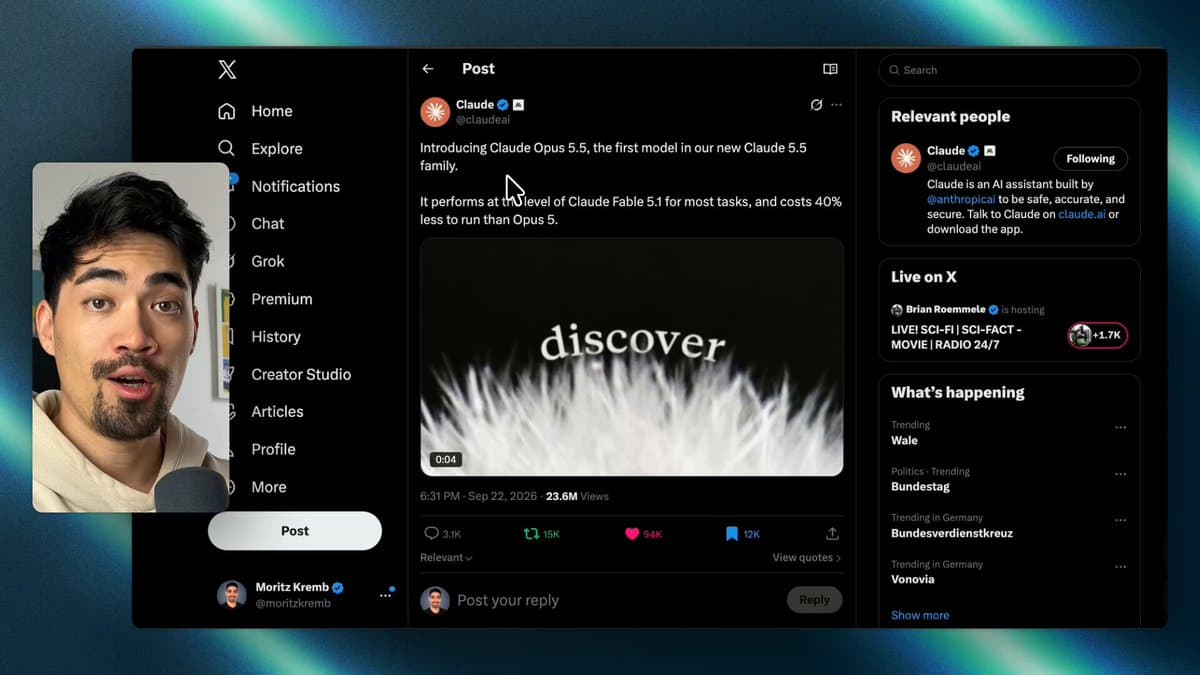
A tutorial covering 5 business use cases for Opus 5.5 motion graphics: product launch videos, explainers for articles and SOPs, turning long videos into short-form, personalized video proposals, and animated presentations.
Moritz Kremb put together a tutorial covering five business use cases for Opus 5.5 motion graphics: product launch videos, explainers for articles and SOPs, turning long videos into short-form clips, personalized video proposals, and animated presentations.
3D & physicsVideo
C
Chiro Visuals
@chirovisuals
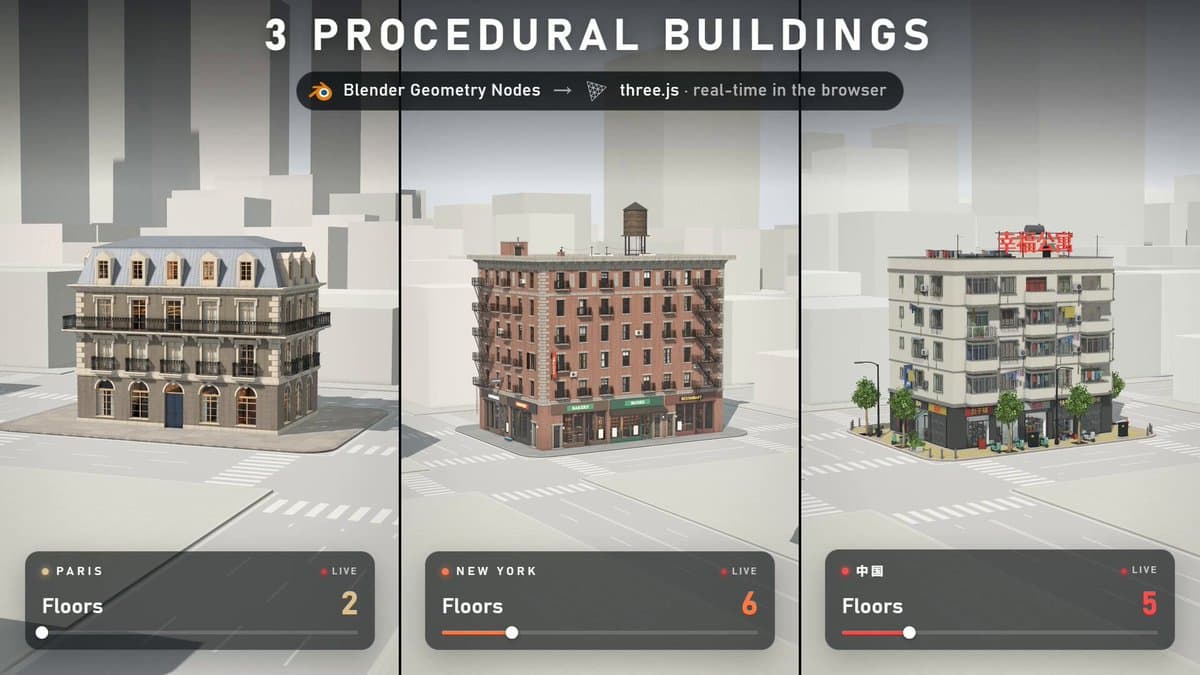
Used Opus 5.5 to build and port 3 procedural buildings from Blender geometry nodes to the web. The node graphs run live in three.js, with a procedural city wrapped around them and light/camera presets. Live demo, source code and .blend files included.
Chiro Visuals used Claude Opus 5.5 to port 3 procedural buildings built from Blender geometry nodes to the web, running the same node graphs live in three.js with a procedural city wrapped around them and light/camera presets, shipping a live demo, the source code and the .blend files.
GamesVideo
J
Jurly
@jurlycat
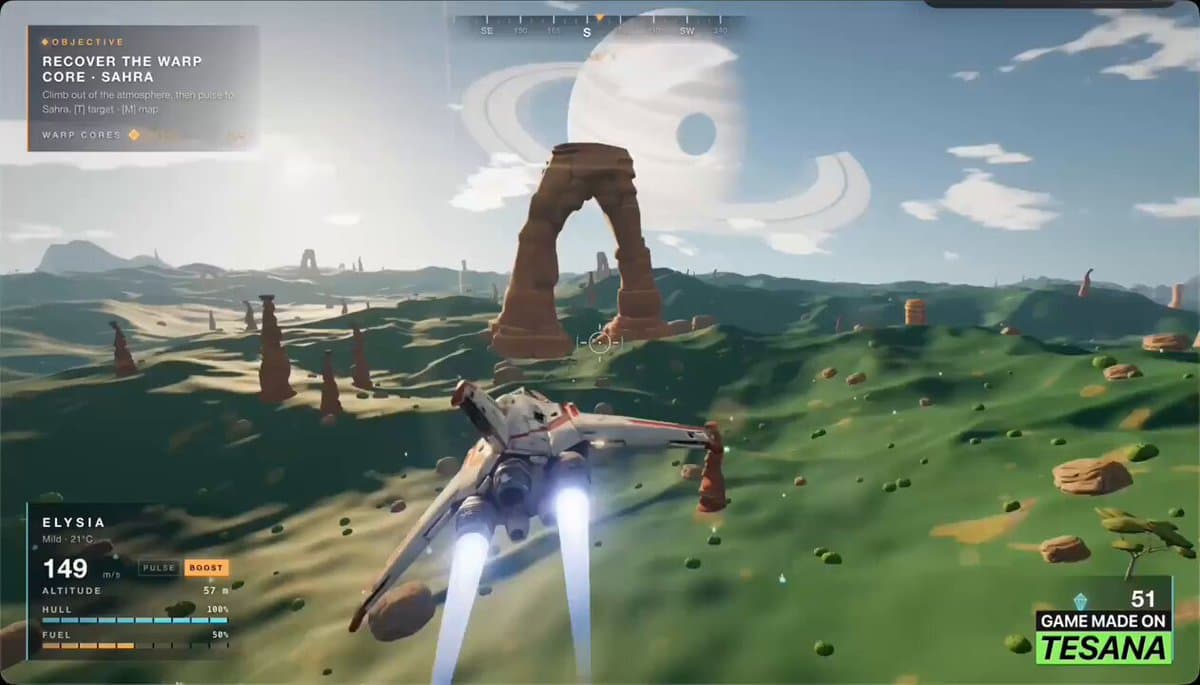
A No Man's Sky-inspired browser prototype built with Claude Opus 5.5 and Three.js. The creator says it took one prompt and around 40 minutes: seamless flight from a planet's surface into space and onto another planet with no loading screens, procedurally generated star systems, wildlife, mining and alien ruins with a language to decode.
Jurly says this No Man's Sky-inspired browser prototype, built with Claude Opus 5.5 and Three.js, took one prompt and around 40 minutes: seamless flight from a planet's surface into space and onto another planet with no loading screens, procedurally generated star systems, wildlife, mining and alien ruins with a language to decode.
3D & physicsVideo
D
Dan Greenheck
@dangreenheck
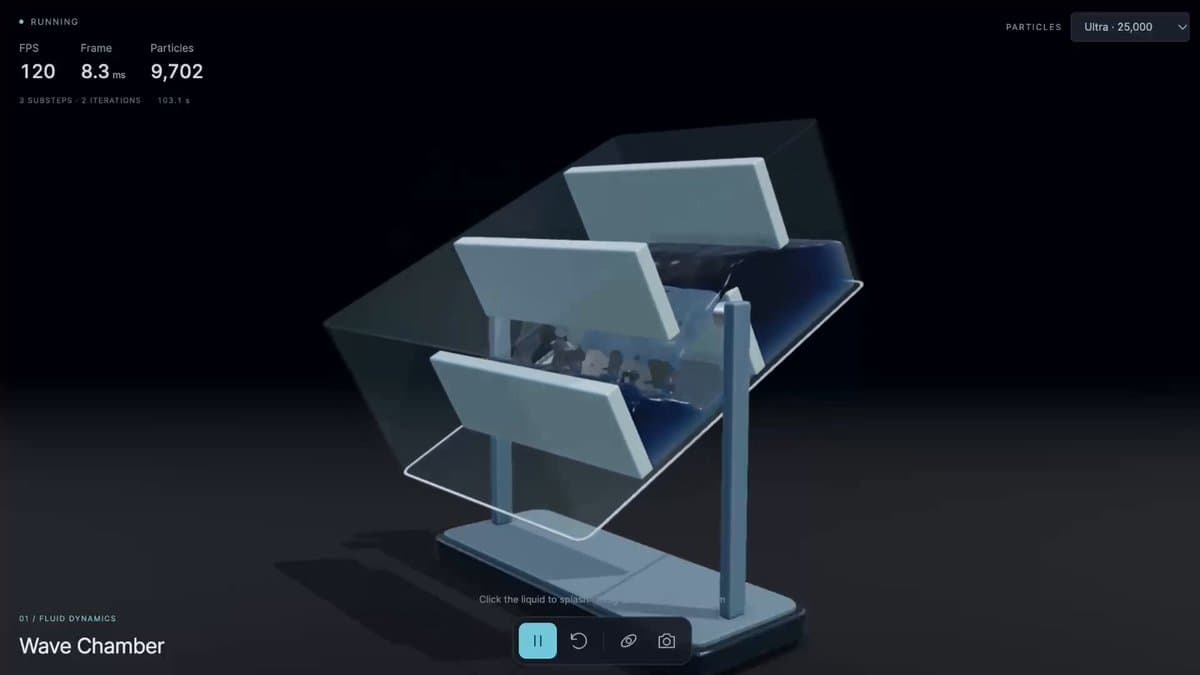
Three.js Particle Fluids, a WebGPU-based library simulating fluids, rigid/soft bodies, cloth and gases, where everything is represented as particles so they can all collide and interact. Had researched this for months without reaching a quality he was happy releasing; used Opus 5.5 to get the library to a more complete state.
Dan Greenheck had researched a WebGPU particle-based physics approach (fluids, rigid/soft bodies, cloth and gases all as colliding particles) for months without reaching a release-quality result, then used Claude Opus 5.5 to get the Three.js library to a more complete state.
TypographyVideo
H
Higgsfield AI
@higgsfield_ai
Claude Opus 5.5 is insane at typography motion graphics animation. This one took 43 minutes and only 3 revisions.
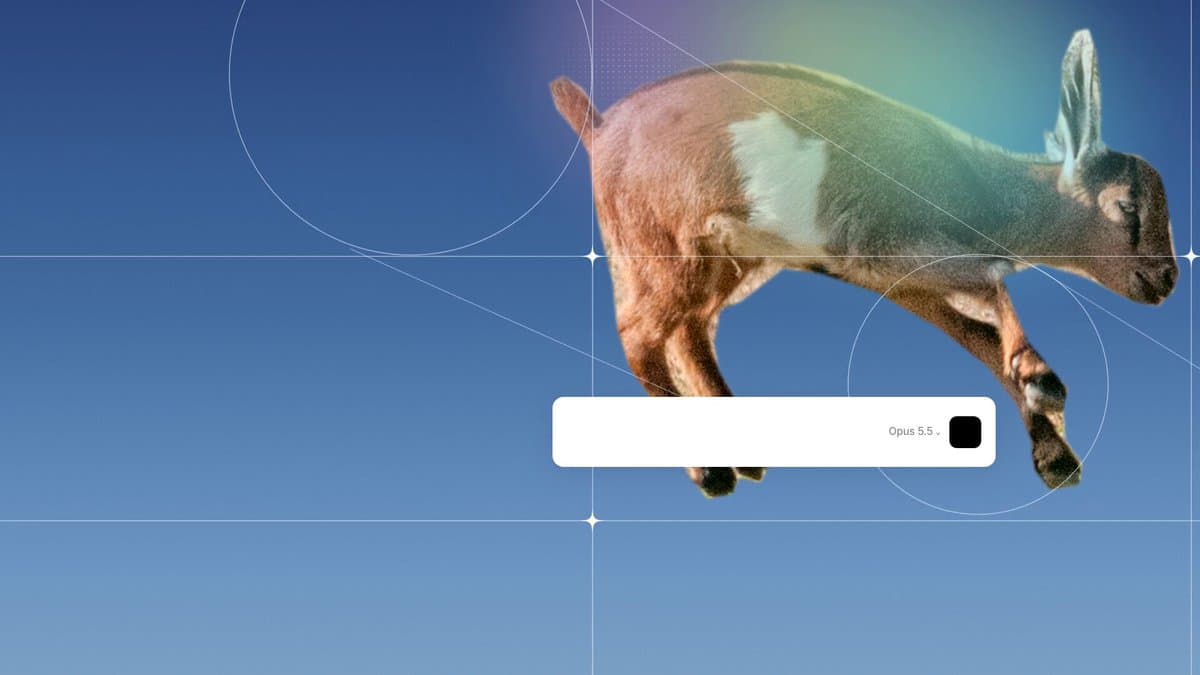
Ask me for: the product the landing page is for, the prompt a user types, a hero photo for the page, a background photo behind the prompt box, and my model name for the label. If I skip any, use the defaults: a meme landing page for a monkey who takes selfies, a public-domain monkey selfie as the hero, a CC0 baby-goat photo as the background, model label 'Opus 5.5'. A 7.5 second prompt-to-website reveal, 1920x1080 at 30fps, one continuous take: a prompt types, the send button is pressed, and the box itself becomes the finished landing page. White prompt box with soft shadow, black send button. Freshly typed characters settle to dark grey over about 13 frames. Page: full-bleed hero with the subject cut out on the right, white UI: logo top-left, nav links, bold headline, paragraph, white pill CTA, muted feature rows. Build as one HTML file rendered frame by frame with Playwright, keyframe tables for every animated value (no CSS transitions, no timers, no random), SVG masks for cut-outs, layered gradients for the press/reveal states. Add music with a low-pass sweep during the press, synthesized keystroke ticks and whooshes, master to -14 LUFS. Render at 30fps h264, mux the audio. Ask me for the inputs first, then show 4 still frames before rendering the full video.
Copied word for word from dawood46's post. AY Automate has not tested it.
Landing pagesVideo
A
Anthony Riera
@anthonyriera
A product launch video he says he would have paid over $2,000 for, made with Opus 5.5 in one prompt plus 6 iterations, used on his landing page.
Anthony Riera made a product launch video with Claude Opus 5.5 in one prompt plus 6 iterations, one he says he would have paid over $2,000 for, and used it on his landing page.
ExplainersVideo
T
Tobias Schneider
@tobiaschneider
Asked Opus 5.5 to create an explainer video on "How Bombs Kill." The result is an 18-minute video essay. The entire production process was rambling into the prompt field for three minutes about a blog idea, then hitting send. About $5 in API calls.
Tobias Schneider asked Claude Opus 5.5 to make an explainer video on "How Bombs Kill" and got back an 18-minute video essay. His whole production process was rambling into the prompt field for about three minutes describing the blog idea, then hitting send, for roughly $5 in API calls.
ExplainersVideo
E
Efferd
@efferdco
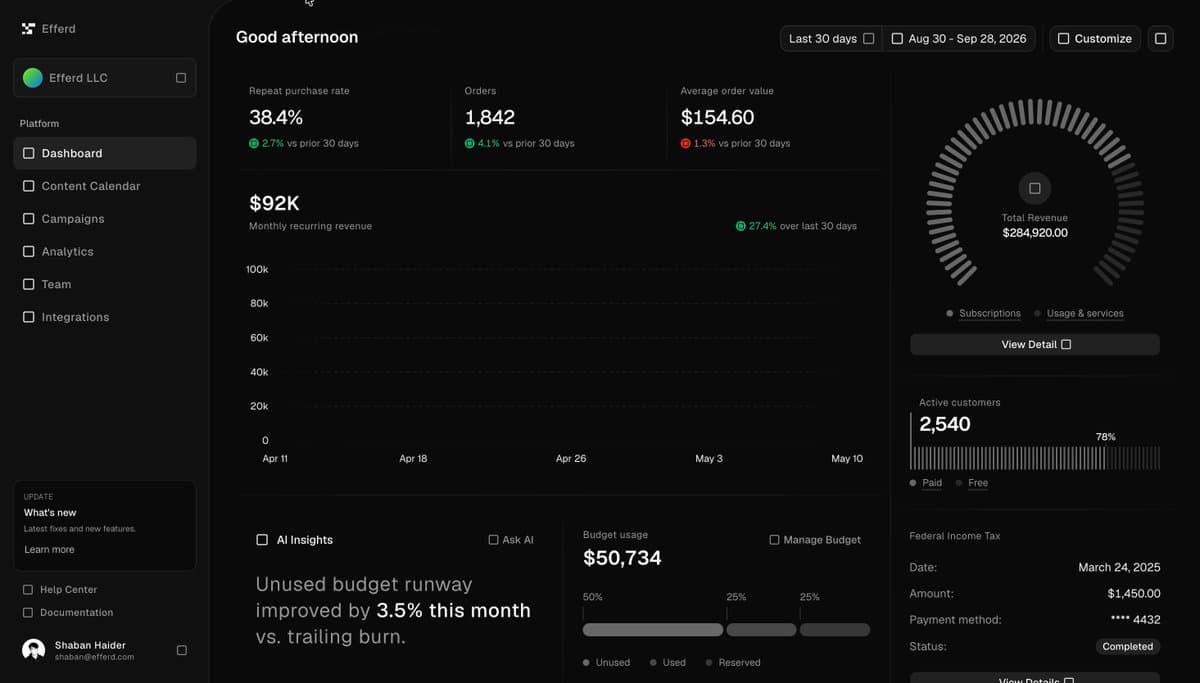
Built an entire analytics dashboard in 1 prompt with Opus 5.5. Posted the exact prompt in the replies.
Efferd built a full analytics dashboard with a single prompt to Claude Opus 5.5, and posted the exact prompt in the replies to his post rather than in the post body itself.
Landing pagesVideo
D
Dhruval
@dhruvalgolakiya
A landing page built in about 15 minutes with Opus 5.5 and a detailed prompt, no manual edits yet at time of posting.
Dhruval built a landing page in about 15 minutes with Claude Opus 5.5 and a detailed prompt, with no manual edits made yet at the time of posting.
TypographyVideo
S
Sethian
@theSethian
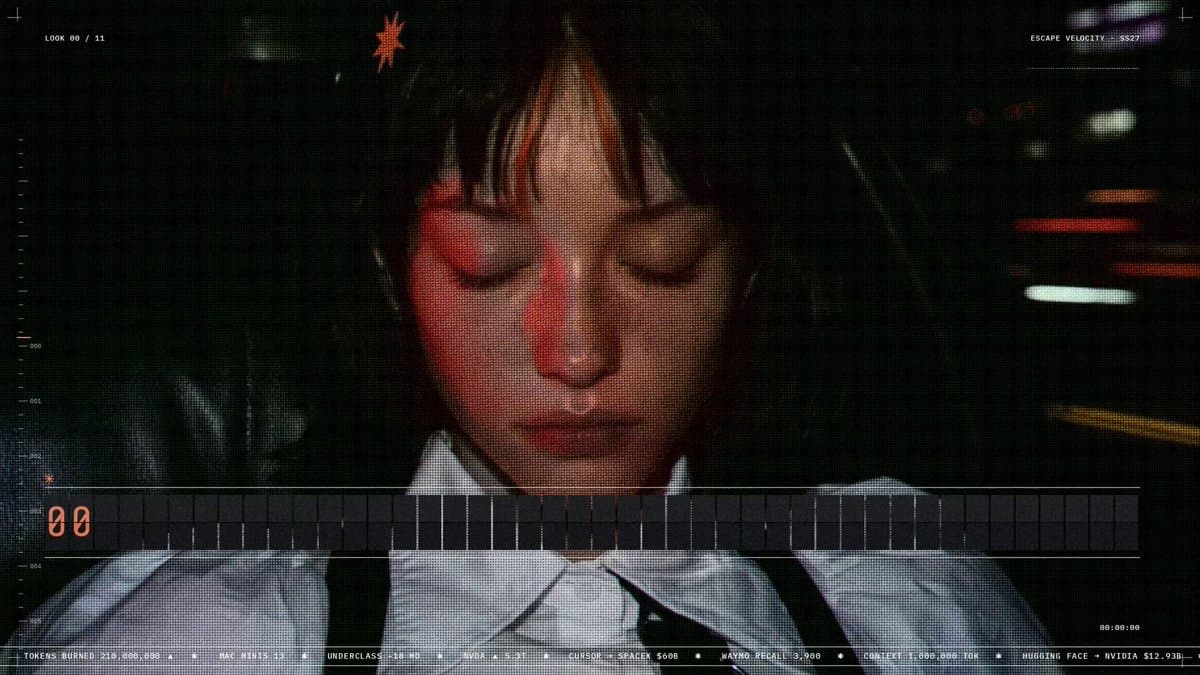
A music video where kinetic typography weaves the lyrics into screens, dashboards, road signs and interfaces throughout, made by giving Opus 5.5 a prompt, a reference moodboard and Midjourney assets, about twelve hours turnaround. Elon Musk reposted the clip twice.
Sethian made a music video where kinetic typography weaves the lyrics into screens, dashboards, road signs and interfaces throughout, giving Claude Opus 5.5 a prompt, a reference moodboard and Midjourney assets, with about a twelve-hour turnaround. Elon Musk reposted the clip twice.
ShowreelVideo
A
AntSeed
@AntSeed
Asked an agent to make a 15-second motion design showreel and go all out. It ran Opus 5.5 through Antseed at 47% below standard API list price. Total inference cost: $0.75.
AntSeed asked an agent to make a 15-second motion design showreel and go all out; it ran Claude Opus 5.5 through Antseed at 47% below standard API list price, for a total inference cost of $0.75.
ExplainersVideo
Ç
Çağrı Mert Bakırcı
@cagrimbakirci
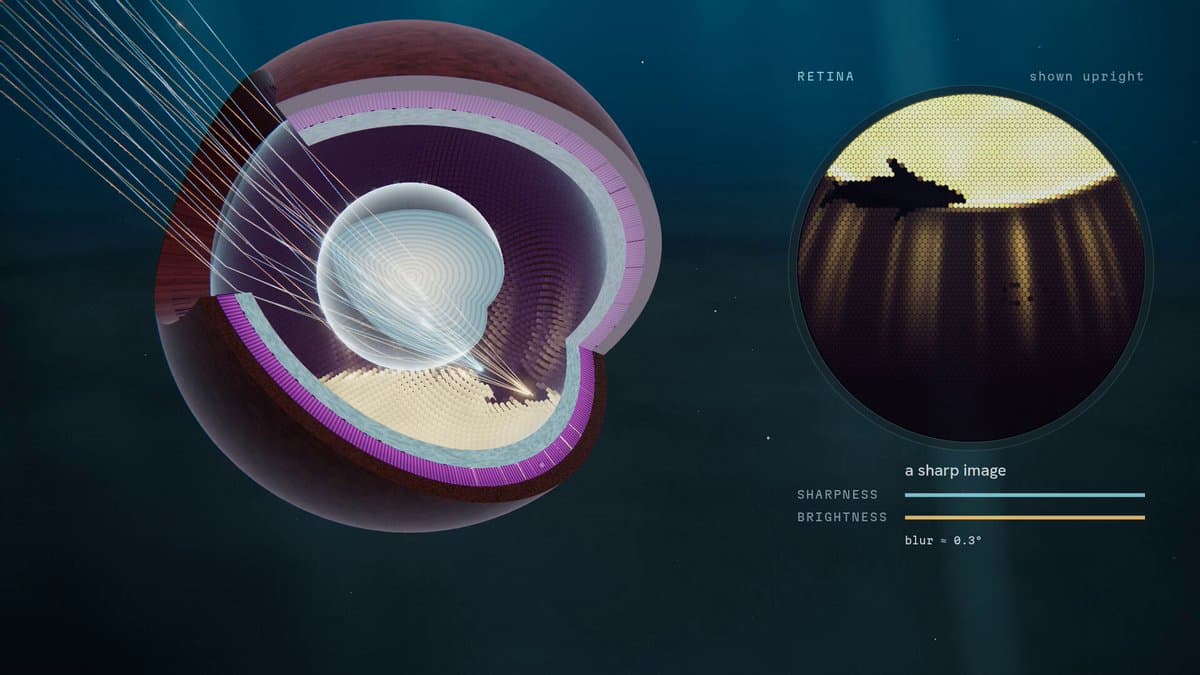
A one-shot explainer of how evolution built the eye, made with Opus 5.5. Every retina image in the visualization is computed, not drawn.
Çağrı Mert Bakırcı made a one-shot explainer of how evolution built the eye with Claude Opus 5.5, with every retina image in the visualization computed rather than drawn.
ShowreelVideo
I
Ihab Khattab
@HO_BA
Made using Claude Opus 5.5 with effort set to high.
Make a dynamic 30-second motion graphics video that shows what an incredible motion designer you are, like it's your showreel for a resume. Go all out. Introduce the product, use actual product screenshot/logo/assets. Must have music and motion must match the music. Do it like a real professional production video, not a demo or prototype. Add more animation and motion design; avoid using screenshots as raw, instead break them down into components/icons so they can be animated too. Make the motions juicier. Use the best motion design techniques you can.
Copied word for word from Ihab Khattab's post. AY Automate has not tested it.
ShowreelVideo
C
Charlie Hills
@charliejhills
Gave Opus 5.5 one line and it made this. Every frame is code, After Effects never opened.
Make a dynamic 15-second motion graphics video that shows what an incredible motion designer you are. Go all out.
Copied word for word from Charlie Hills's post. AY Automate has not tested it.
CommentaryVideo
T
Tibo
@tibo_maker
built the best resource for your own Motion Graphics video
including the 50+ best videos made by Opus
the absolute BEST
a collection that got MILLIONS of views
most are easy to recreate with 1 prompt
start here
this is free inspiration, don't sleep on it
Kiran asked Claude Opus 5.5 to first research his product, then build a 40-second product demo in the style of a professional motion designer's own showreel, going all out on the motion design.
Landing pagesVideo
A
Aleksandar Jovanovic
@AleksDoesCode
Asked Opus 5.5 for a motion graphics ad for his SaaS. 40 minutes later: no After Effects, no Figma, it wrote its own music in Python, every cut hits the beat, and it rebuilt his whole dashboard in code.
Aleksandar Jovanovic asked Claude Opus 5.5 for a motion graphics ad for his SaaS and had it back 40 minutes later: no After Effects, no Figma, it wrote its own music in Python, every cut hit the beat, and it rebuilt his whole dashboard in code.
Landing pagesVideo
J
Jake Mor
@jakemor
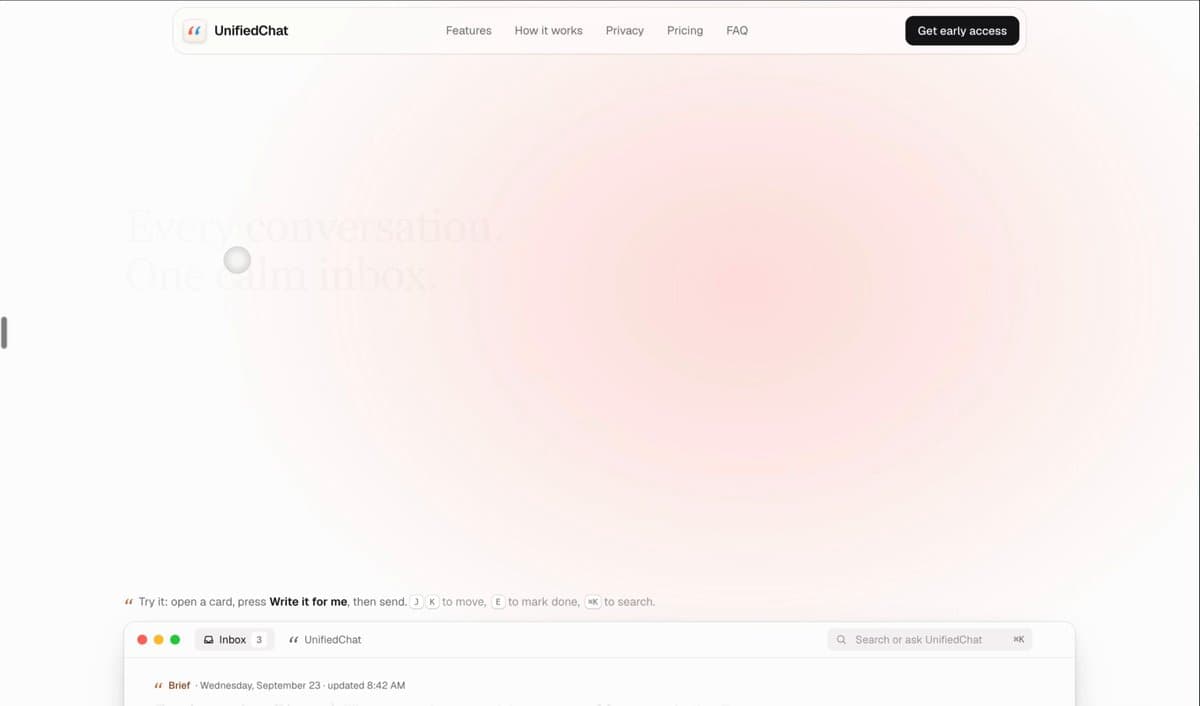
A full interactive product demo plus an Apple-style landing page, one-shotted by Opus 5.5.
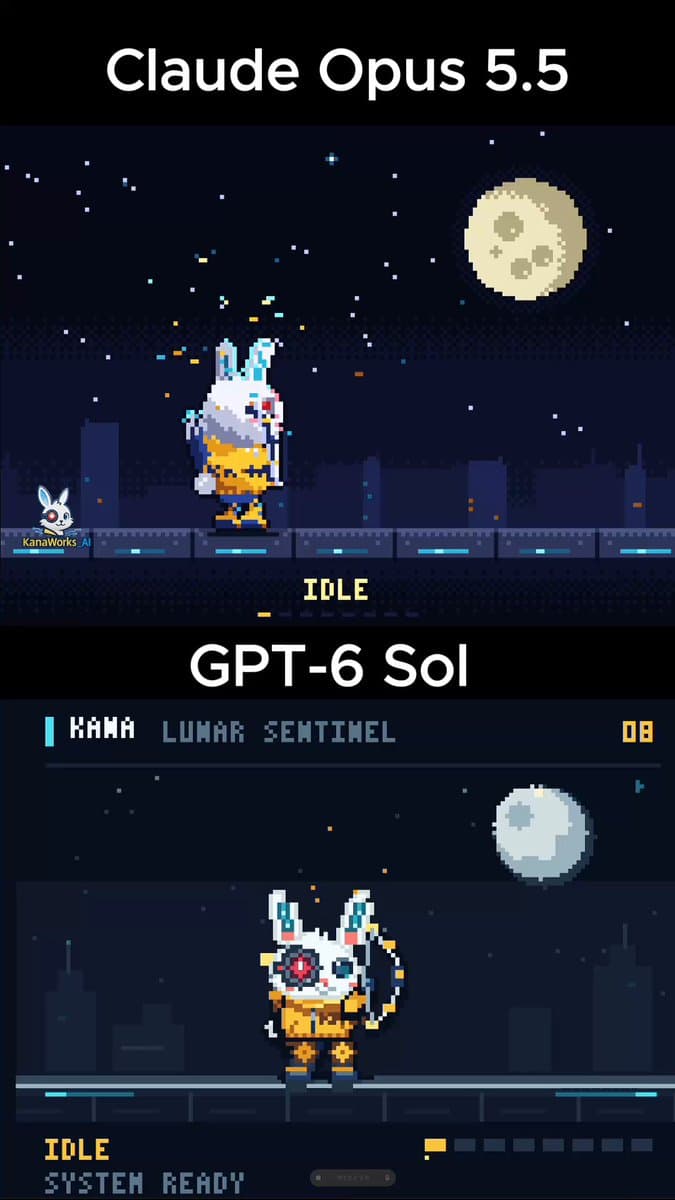
Create a single self-contained HTML file that renders an animated pixel art rabbit archer character using vanilla JavaScript and Canvas 2D. Reference: a white rabbit with large upright ears with cyan glowing inner-ear details, one normal blue eye, one red cybernetic mechanical eye, a yellow hoodie, dark blue gloves and pants, yellow/blue sci-fi mechanical leg armor, cute chibi proportions, a futuristic bow and arrow, a small quiver. No external assets, libraries, images, fonts or network requests, everything drawn procedurally. Render to an offscreen canvas at a fixed logical resolution of 160x120, scale to fullscreen with the largest integer scale that fits, center it, imageSmoothingEnabled false, CSS image-rendering pixelated, no gradients or blur, all coordinates snapped to integers, a fixed palette of about 28 colors. Build the character from pixel rectangles and simple block shapes, about 28-34px wide and 40-48px tall, animating ears, head, arms, legs, hoodie, bow, arrow and body separately, quantized so it reads like 8-12fps sprite animation even though the loop runs at 60fps. Create 8 looping actions in a state machine (idle, run, aim, shoot, jump, dodge/roll, hurt, victory), each with its own distinct silhouette and an allocation-free pooled particle system for dust, arrow trails, sparks and hit stars. Single HTML file, vanilla JavaScript, Canvas 2D only, fixed 60Hz timestep, requestAnimationFrame, zero object allocation inside the main loop, stable 60fps, responsive fullscreen scaling.
Copied word for word from KANA|東京AI映像's post. AY Automate has not tested it.
3D & physicsVideo
T
The Bugged Dev
@thebuggeddev
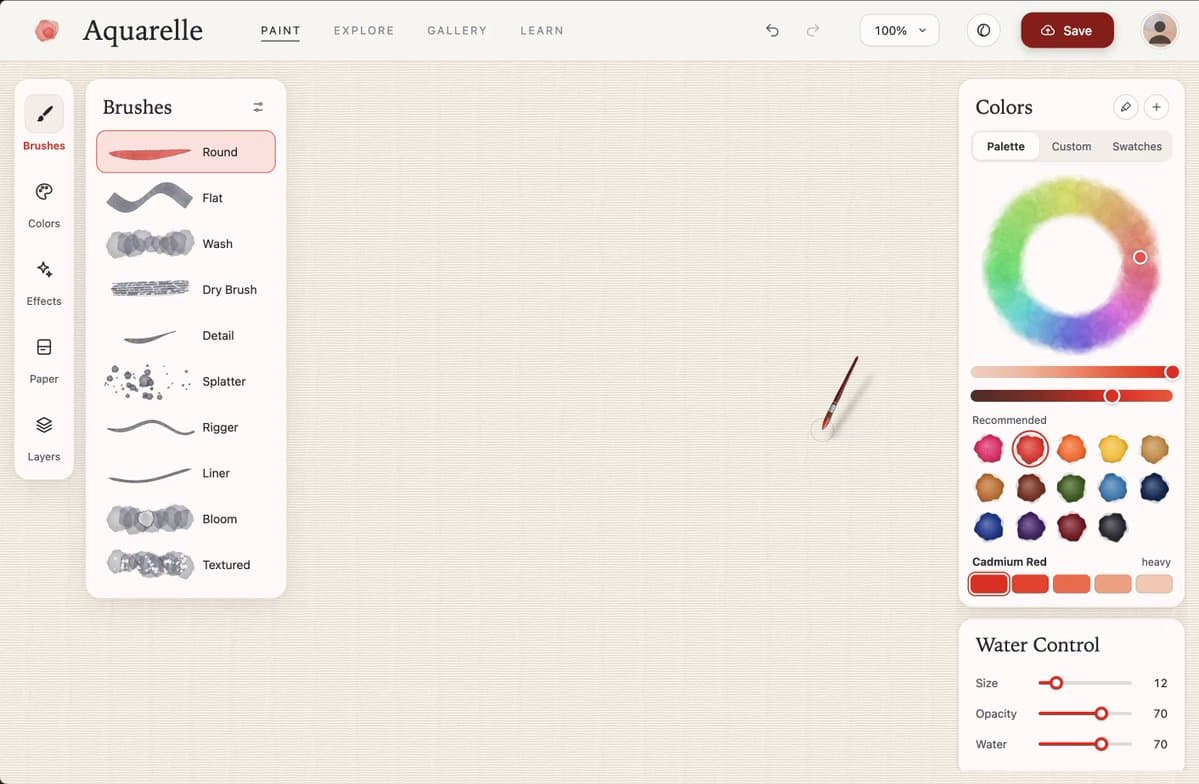
A browser-based watercolor painting simulator built with Claude Opus 5.5: the GPU simulates water, pigment and paper 120 times a second, using a Kubelka-Munk pigment model instead of averaging RGB so colors mix closer to real paint. Runs from a single roughly 230 KB HTML file, no libraries.
The Bugged Dev built a browser-based watercolor painting simulator with Claude Opus 5.5: the GPU simulates water, pigment and paper 120 times a second using a Kubelka-Munk pigment model instead of averaging RGB, so colors mix closer to real paint, all from a single roughly 230 KB HTML file with no libraries.
Brand explainerVideo
E
Edoardo Lunardi
@edo_lunardi
A 27-second brand reel with every frame rendered from code, two days directing Opus 5.5: storyboard first, then motion tests, then a lot of trial and error.
Edoardo Lunardi spent two days directing Claude Opus 5.5 to build a 27-second brand reel with every frame rendered from code: a storyboard first, then motion tests, then a lot of trial and error.
CommentaryVideo
Z
zhod
@zhodonx
It's safe to say Opus 5.5 eliminated AI slop. My whole feed is filled with videos like this. I've personally tried using it to generate motion graphics for work and it's really good.
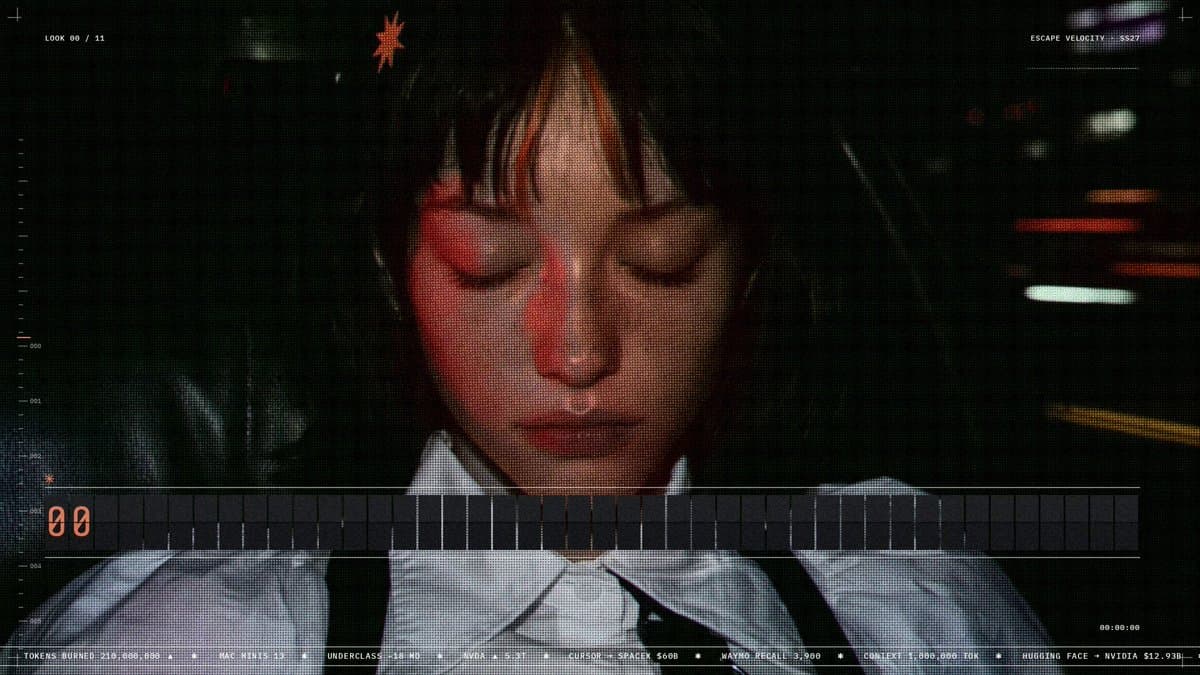
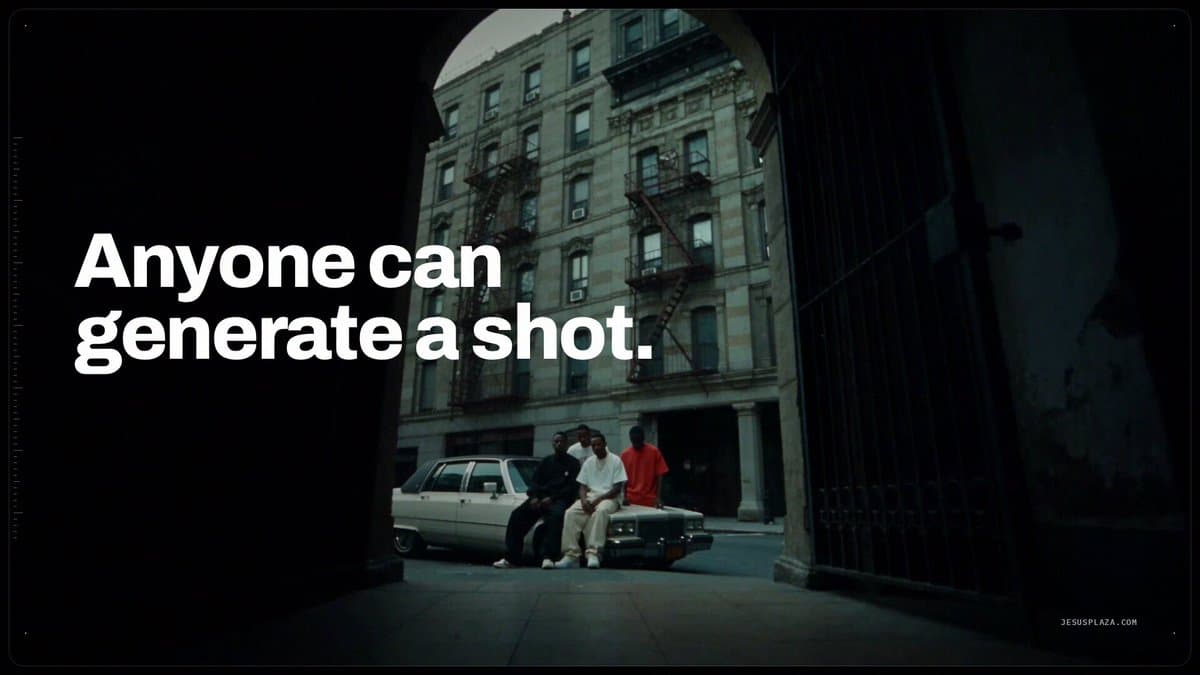
20 years directing films and Claude Opus 5.5 built my best demo reel. 3 steps: 1) Feed it your world - films, credits, one visual reference. 2) Let it create under your direction - it wrote the story, generated music, cut every shot on the beat, made missing shots with Seedance 2.5 via Magnific MCP, coded all motion graphics from scratch. 3) Iterate with short director notes, five rounds and done.
Jesus Plaza, a 20-year film director, describes his process in three steps: feed Claude your world (films, credits, one visual reference), let it direct under your control (it wrote the story, generated the music, cut every shot on the beat, generated missing shots with Seedance 2.5 through Magnific MCP, and coded all motion graphics from scratch), then iterate with short director notes over five rounds.
TypographyVideo
H
Higgsfield AI
@higgsfield_ai
Bold type, animated illustrations and sharp transitions, built with Opus 5.5 for concept and scene planning, then Higgsfield for style frames and After Effects for the final animation and compositing.
Higgsfield AI built a video with bold type, animated illustrations and sharp transitions using Claude Opus 5.5 for concept and scene planning, then Higgsfield for style frames and After Effects for the final animation and compositing.
3D & physicsVideo
E
Ex_Machina
@the_trono
Turned a set of CUDA notes into a 6-minute 3D explainer: why GPUs exist, CPU vs GPU anatomy, memory hierarchy, inside an SM, grids/blocks/threads, from a first kernel to a naive matmul kernel. Everything rendered in code with three.js and WebGPU, sound design synced to every visual beat.
Ex_Machina turned a set of CUDA notes into a 6-minute 3D explainer covering why GPUs exist, CPU vs GPU anatomy, the memory hierarchy, what happens inside an SM, grids/blocks/threads, and a first kernel through to a naive matmul kernel, all rendered in code with three.js and WebGPU with sound design synced to every visual beat.
ShowreelVideo
M
Math Files
@Math_files
A 20-second motion graphics showreel about mathematics, made with one prompt to Opus 5.5.
Math Files had Claude Opus 5.5 build a 20-second, mathematics-themed motion graphics showreel from a single prompt, framed as the kind of showreel a motion designer with math skills would put on a resume.
Prompts
10 real prompts, copied word for word
Each block below is copied verbatim from the creator's own public post, with a link back to the source. AY Automate has not tested these.
dawood46
@notdwd
Ask me for: the product the landing page is for, the prompt a user types, a hero photo for the page, a background photo behind the prompt box, and my model name for the label. If I skip any, use the defaults: a meme landing page for a monkey who takes selfies, a public-domain monkey selfie as the hero, a CC0 baby-goat photo as the background, model label 'Opus 5.5'. A 7.5 second prompt-to-website reveal, 1920x1080 at 30fps, one continuous take: a prompt types, the send button is pressed, and the box itself becomes the finished landing page. White prompt box with soft shadow, black send button. Freshly typed characters settle to dark grey over about 13 frames. Page: full-bleed hero with the subject cut out on the right, white UI: logo top-left, nav links, bold headline, paragraph, white pill CTA, muted feature rows. Build as one HTML file rendered frame by frame with Playwright, keyframe tables for every animated value (no CSS transitions, no timers, no random), SVG masks for cut-outs, layered gradients for the press/reveal states. Add music with a low-pass sweep during the press, synthesized keystroke ticks and whooshes, master to -14 LUFS. Render at 30fps h264, mux the audio. Ask me for the inputs first, then show 4 still frames before rendering the full video.
Pulled 2026-09-28, 354 likes at pull time. Source post
Ihab Khattab
@HO_BA
Make a dynamic 30-second motion graphics video that shows what an incredible motion designer you are, like it's your showreel for a resume. Go all out. Introduce the product, use actual product screenshot/logo/assets. Must have music and motion must match the music. Do it like a real professional production video, not a demo or prototype. Add more animation and motion design; avoid using screenshots as raw, instead break them down into components/icons so they can be animated too. Make the motions juicier. Use the best motion design techniques you can.
Pulled 2026-09-28, 115 likes at pull time. Source post
amrit
@amritwt
You are the best motion designer in the world, act like it. Make the product video look expensive, Apple-style: intention in every choice (font, background, music, color theme), a consistent visual rule set across every scene, one shot per idea, space to breathe, key objects centered, background never competing with them. Animate with eased, overlapping keyframes rather than linear motion, and use dynamic transitions between scenes instead of hard cuts unless a cut serves the message. Vary the pacing across the video instead of keeping one constant rhythm. Choose the music by target feel: 60-80 BPM for a cinematic/heritage tone, 90-110 for smooth and effortless, 115-123 for elite/kinetic energy. Keep sound design minimal, remove any effect that feels loud or unnecessary. Steps: 1) find 1-2 reference videos whose exact style to match, naming the style beats describing it. 2) use a code-based renderer (Remotion or similar) so every scene is written as code and rendered straight to video. 3) use a real component library for any on-screen UI so it does not look invented. 4) give it your brand assets, product screenshots, the reference video and a rough idea of the video, then ask for 3 storyboard variants. 5) pick a storyboard and ask for one still frame per scene before anything moves. 6) direct like on a film set with specific camera notes (slow every zoom to 0.7x, hard cut here, push in on the button) rather than vague notes like 'make it better'.
Pulled 2026-09-28, 104 likes at pull time. Source post
KANA|東京AI映像
@KanaWorks_AI
Create a single self-contained HTML file that renders an animated pixel art rabbit archer character using vanilla JavaScript and Canvas 2D. Reference: a white rabbit with large upright ears with cyan glowing inner-ear details, one normal blue eye, one red cybernetic mechanical eye, a yellow hoodie, dark blue gloves and pants, yellow/blue sci-fi mechanical leg armor, cute chibi proportions, a futuristic bow and arrow, a small quiver. No external assets, libraries, images, fonts or network requests, everything drawn procedurally. Render to an offscreen canvas at a fixed logical resolution of 160x120, scale to fullscreen with the largest integer scale that fits, center it, imageSmoothingEnabled false, CSS image-rendering pixelated, no gradients or blur, all coordinates snapped to integers, a fixed palette of about 28 colors. Build the character from pixel rectangles and simple block shapes, about 28-34px wide and 40-48px tall, animating ears, head, arms, legs, hoodie, bow, arrow and body separately, quantized so it reads like 8-12fps sprite animation even though the loop runs at 60fps. Create 8 looping actions in a state machine (idle, run, aim, shoot, jump, dodge/roll, hurt, victory), each with its own distinct silhouette and an allocation-free pooled particle system for dust, arrow trails, sparks and hit stars. Single HTML file, vanilla JavaScript, Canvas 2D only, fixed 60Hz timestep, requestAnimationFrame, zero object allocation inside the main loop, stable 60fps, responsive fullscreen scaling.
Pulled 2026-09-28, 68 likes at pull time. Source post
zero
@twoclipping
Ask me for: a one-word brand name for the wordmark (a verb works best), 9 to 12 high-res photos, a royalty-free song around 120 BPM with a drop and a quiet breakdown, and a free stock clip of a plain wall with moving plant shadows. Direction: an Apple-keynote launch film, 2D only, one continuous take. Every scene is made out of the previous one, nothing fades, blurs or cuts. Objects change shape instead: text rises out of a mask line, icons pop from zero on a spring, bars draw across, pages push, and a black shape floods the whole frame and contracts into the next scene. Warm off-white canvas, black UI, liquid-glass style over the photos. A cursor drives every change with real clicks, drags and long-presses. The camera zooms so each moment fills the frame, and the cursor scales with it. Banned: crossfades, blur-ins, 3D flips, particles, glows, holds longer than 1 second, anything that looks like a template. Structure: build to 120 BPM, 54 beats, something happens on every beat. Open on the wordmark, then an iris-blade transition into a photo grid that unfolds into a bento layout. A glass-morphing sequence relights a photo from day to golden hour. The scene pulls back into a phone lock screen, then a Mac window, then a browser landing page you can scroll, ending on an order-status sequence (Ordered, Printing, On its way, Delivered) that floods the frame and loops back to the opening wordmark. Build: one HTML file, rendered frame by frame from a time function, no CSS transitions or timers, springs as closed-form step responses so a value with many targets stays a pure function of time. Glass elements clone the scene behind them and distort it with an SVG displacement map for the frosted-glass look. Real photos re-encoded so every frame can be seeked exactly. Every sound effect is a real downloaded clip placed by its measured peak, never synthesized, mastered to -14 LUFS. Render with Playwright at 60fps. Ask for the inputs, then show a beat map and 4 still frames (open, glass, stage, wall) before rendering the full film.
Pulled 2026-09-28, 2,038 likes at pull time. Source post
Charlie Hills
@charliejhills
Make a dynamic 15-second motion graphics video that shows what an incredible motion designer you are. Go all out.
Pulled 2026-09-28, 108 likes at pull time. Source post
Stephan Livera
@stephanlivera
make a dynamic 15-second motion graphics video that shows what an incredible motion designer you are, like it's your showreel for a résumé. go all out.
Pulled 2026-09-28, 16,608 likes at pull time. Source post
Himanshu
@himanshutwtxs
make a dynamic 15-second motion graphics video that shows what an incredible motion designer you are, like it's your showreel for a résumé. go all out
Pulled 2026-09-28, 1,443 likes at pull time. Source post
Daryl Patigas
@darel023
You're a world-class motion designer, and this is your 15-second résumé reel. Make it dynamic and confident: open with a striking hook in the first second, build through a sequence of distinct techniques (typography, shape play, camera moves, colour shifts), and land on a clean, memorable final frame. Pacing should feel like it's cut to music. Go crazy.
Pulled 2026-09-28, 936 likes at pull time. Source post
Rob Hallam
@robj3d3
make a dynamic 15-second motion graphics video that shows what an incredible motion designer you are, like it's your showreel for a résumé. go all out.
Pulled 2026-09-28, 773 likes at pull time. Source post
Prompt builder
Build your own motion graphics prompt
This is a prompt template, not an AI call. Fill in the fields and it assembles a structured prompt using the same shape as the two real prompts above (context and inputs, look and reference, structure and steps, render notes), with your inputs dropped into the placeholders. Nothing here analyzes a video or generates anything on our servers.
Assembled prompt
Fill in the form and click Build prompt to see it here.
Want this baked into your own workflow?
We track what people are shipping with Claude Opus 5.5 and test where it fits real production pipelines. Tell us the video or motion work you want to automate and we'll tell you what's worth building first.